 English




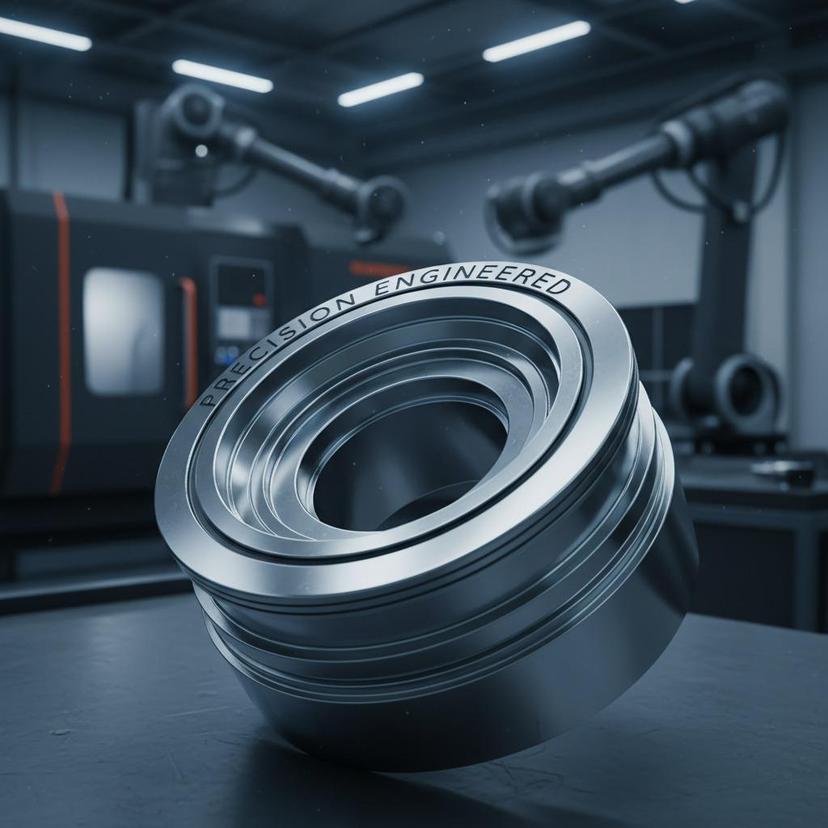
Machined Aluminum Enclosures: Precision Engineering for Superior Performance
In the world of advanced manufacturing, machined aluminum enclosures stand out as a cornerstone of reliability and innovation. These enclosures are meticulously crafted to house sensitive electronic components, providing robust protection while maintaining lightweight efficiency. As industries evolve, the demand for high-quality machined aluminum enclosures has surged, driven by their exceptional strength-to-weight ratio and corrosion resistance. This article explores the intricacies of machined aluminum enclosures, highlighting their design, applications, and the engineering prowess behind their creation.
The Craftsmanship Behind Machined Aluminum Enclosures
Machined aluminum enclosures begin with premium-grade aluminum alloys, selected for their superior thermal conductivity and durability. The machining process involves computer numerical control (CNC) technology, where precise cutting tools shape the raw material into custom forms. This method ensures tolerances as tight as a few thousandths of an inch, making machined aluminum enclosures ideal for high-stakes environments like aerospace and automotive sectors. Engineers focus on features such as integrated heat sinks and sealed gaskets to enhance functionality, all while preserving the material's natural lightweight properties.
The beauty of machined aluminum enclosures lies in their versatility. Unlike injection-molded plastics, aluminum offers electromagnetic interference (EMI) shielding, crucial for electronics in telecommunications and medical devices. Fabrication often includes anodizing for added surface protection, preventing wear from environmental factors. Companies specializing in these enclosures prioritize sustainability, recycling aluminum scraps to minimize waste. This approach not only reduces costs but also aligns with eco-friendly manufacturing trends, ensuring that machined aluminum enclosures meet both performance and ethical standards.
Applications and Benefits in Modern Industries
Machined aluminum enclosures find extensive use in automotive engineering, where they protect turbocharger components from harsh operating conditions. For instance, in high-performance vehicles, these enclosures safeguard precision-engineered parts that optimize airflow and boost engine efficiency. The material's ability to dissipate heat quickly prevents overheating, extending the lifespan of critical systems. Beyond cars, machined aluminum enclosures are vital in renewable energy setups, encasing inverters and control units exposed to varying weather elements.
In consumer electronics, machined aluminum enclosures provide a premium aesthetic and functional edge. Smartphones and laptops often feature these enclosures for their sleek finish and durability, resisting dents and scratches better than alternatives. The precision machining allows for intricate designs, such as custom ports and mounting points, tailored to specific device needs. Moreover, in industrial automation, these enclosures house PLCs (programmable logic controllers) in factories, where vibration resistance is paramount. The overall benefits include reduced weight for portable applications, cost-effectiveness over time due to longevity, and enhanced safety through non-conductive coatings when required.
Advancements and Future of Machined Aluminum Enclosures
Recent innovations in machined aluminum enclosures incorporate smart technologies, such as embedded sensors for real-time monitoring of internal conditions. This evolution supports the Internet of Things (IoT), enabling predictive maintenance in machinery. Additive manufacturing techniques, like 3D printing hybrid with CNC machining, allow for complex geometries that were previously impossible, further expanding design possibilities. As materials science advances, new aluminum alloys with even higher strength and recyclability are being developed, promising lighter yet tougher machined aluminum enclosures.
Sustainability remains a key driver, with manufacturers adopting green anodizing processes that use less water and energy. Customization is another frontier, where clients can specify finishes from matte black to polished silver, matching brand aesthetics. For automotive enthusiasts, machined aluminum enclosures elevate turbo systems by integrating seamlessly with components like precision-engineered turbocharger parts, ensuring optimal performance under extreme speeds. Looking ahead, the integration of machined aluminum enclosures in electric vehicles (EVs) will be crucial, providing battery protection and thermal management in compact forms.
Choosing the Right Machined Aluminum Enclosure for Your Project
Selecting machined aluminum enclosures requires careful consideration of size, IP rating for water and dust resistance, and compatibility with assembly methods. Prototyping is essential, allowing teams to test fits and modifications before full production. Reputable suppliers offer CAD modeling services to visualize outcomes, ensuring the final product aligns with engineering specifications. Budget-wise, while initial costs may seem higher than plastic alternatives, the long-term savings from durability and minimal maintenance make machined aluminum enclosures a smart investment.
In summary, machined aluminum enclosures represent the pinnacle of engineering excellence, blending form, function, and foresight. Their role in protecting and enhancing everything from everyday gadgets to high-speed machinery underscores their indispensable nature. As technology progresses, these enclosures will continue to innovate, supporting industries that demand precision and resilience. Whether you're an engineer designing the next breakthrough or a hobbyist upgrading your setup, embracing machined aluminum enclosures opens doors to unparalleled performance and reliability.
(Word count: 912)