 English




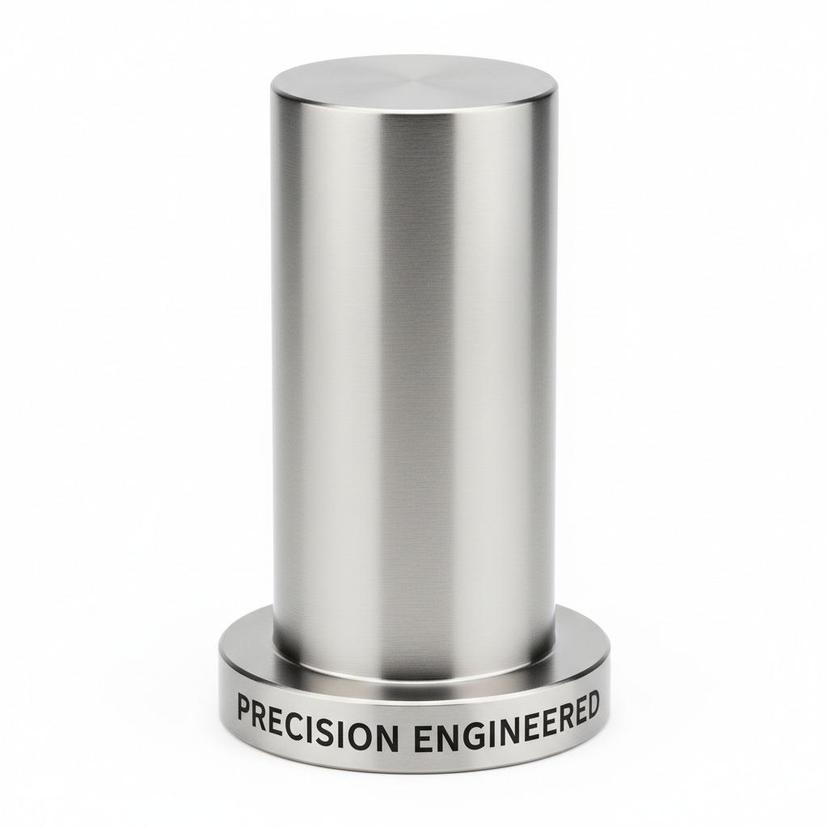
Custom Aluminum Structural Parts: Revolutionizing Engineering Precision
In the world of advanced manufacturing, custom aluminum structural parts stand out as a cornerstone for innovative designs and robust applications. These specialized components, tailored to exact specifications, offer unparalleled strength-to-weight ratios that make them ideal for industries ranging from aerospace to automotive. As engineering demands grow more complex, the role of custom aluminum structural parts becomes increasingly vital, enabling creators to push the boundaries of what's possible while maintaining efficiency and durability.
The Advantages of Aluminum in Structural Applications
Aluminum's natural properties make it a preferred material for custom aluminum structural parts. Lightweight yet exceptionally strong, aluminum allows for the creation of components that reduce overall system weight without compromising on integrity. This is particularly beneficial in sectors like aviation, where every ounce matters. Corrosion resistance is another key benefit; aluminum forms a protective oxide layer that shields it from environmental degradation, ensuring longevity even in harsh conditions. Furthermore, its malleability supports intricate shaping and machining, allowing for highly customized designs that fit unique project needs.
When compared to alternatives like steel, custom aluminum structural parts provide superior thermal conductivity and electrical efficiency, which are crucial for heat dissipation in electronic enclosures or structural frameworks in renewable energy setups. The recyclability of aluminum also aligns with sustainable manufacturing practices, appealing to companies focused on eco-friendly production. By leveraging these advantages, engineers can develop solutions that are not only functional but also cost-effective over the long term, minimizing maintenance and replacement costs.
Manufacturing Processes for Custom Aluminum Structural Parts
Creating custom aluminum structural parts involves sophisticated techniques to ensure precision and quality. CNC machining is a primary method, where computer-controlled tools carve out complex geometries from aluminum blocks with micron-level accuracy. This process is ideal for prototyping and small-batch production, allowing rapid iterations based on design feedback. For larger volumes, die casting offers efficiency, injecting molten aluminum into molds to form consistent parts with smooth finishes.
Extrusion is another popular technique for custom aluminum structural parts, particularly for long, uniform profiles like beams or frames. In this method, heated aluminum is forced through a die to create the desired cross-section, which can then be cut and assembled as needed. Post-processing steps, such as anodizing or powder coating, enhance surface properties, adding wear resistance and aesthetic appeal. Quality control throughout these processes is paramount, involving rigorous testing for tensile strength, dimensional accuracy, and fatigue resistance to meet industry standards like those from ASTM or ISO.
Advanced technologies, including 3D printing with aluminum alloys, are emerging as game-changers for custom aluminum structural parts. This additive manufacturing approach builds parts layer by layer, enabling intricate internal structures that traditional methods can't achieve. Such innovations reduce material waste and shorten lead times, making it easier for designers to experiment and refine their concepts.
Applications Across Diverse Industries
Custom aluminum structural parts find their place in a myriad of applications, showcasing their versatility. In the automotive industry, they form lightweight chassis components and suspension systems, improving fuel efficiency and handling. Aerospace engineers rely on them for aircraft fuselages and wing spars, where the combination of strength and low weight is non-negotiable for safety and performance. In construction, aluminum structural parts support modern facades and bridging elements, offering corrosion-free alternatives to heavier metals.
The renewable energy sector benefits immensely from custom aluminum structural parts in solar panel frames and wind turbine components, enduring outdoor exposure while keeping installations lightweight for easier transport and setup. Even in consumer electronics, these parts serve as durable housings and mounts, balancing aesthetics with functionality. As industries evolve, the demand for tailored solutions grows, with custom aluminum structural parts adapting to needs like electric vehicle battery enclosures or medical device frameworks, where precision and biocompatibility are essential.
Choosing the Right Partner for Your Custom Needs
Selecting a manufacturer for custom aluminum structural parts requires careful consideration of expertise and capabilities. Look for partners with state-of-the-art facilities, certified engineers, and a track record of delivering on complex projects. Customization starts with detailed consultations to translate your vision into feasible designs, followed by simulations to predict performance under real-world stresses. Reliable suppliers also offer value-added services like just-in-time delivery and global compliance certifications, ensuring seamless integration into your supply chain.
In an era where innovation drives competitiveness, investing in high-quality custom aluminum structural parts pays dividends in reliability and efficiency. Whether you're a startup prototyping a new gadget or a corporation upgrading infrastructure, these parts provide the foundation for success. By prioritizing aluminum's inherent benefits and advanced fabrication methods, you can achieve outcomes that exceed expectations, fostering growth and sustainability in your operations.
Future Trends in Aluminum Structural Innovation
Looking ahead, the landscape for custom aluminum structural parts is poised for exciting developments. Advances in alloy compositions promise even greater strength and reduced weight, potentially revolutionizing fields like space exploration. Integration with smart materials, such as those embedded with sensors, could enable self-monitoring structures that predict and prevent failures. Sustainability efforts will likely drive more recycled aluminum usage, lowering carbon footprints without sacrificing quality.
As digital twins and AI optimize design processes, creating custom aluminum structural parts will become faster and more intuitive, democratizing access to high-end engineering. Collaborative platforms may allow global teams to co-design parts in real-time, accelerating innovation cycles. Embracing these trends ensures that custom aluminum structural parts remain at the forefront of engineering excellence, supporting a future where efficiency, durability, and environmental responsibility converge.
This exploration of custom aluminum structural parts highlights their indispensable role in modern engineering. With over 900 words of detailed insights, it's clear that these components are more than just materials—they're the building blocks of progress.