 English




Understanding Powder Coating Metal Parts: A Comprehensive Guide
Powder coating metal parts has revolutionized the way industries protect and enhance their components. This versatile finishing process applies a dry powder to metal surfaces, creating a durable and attractive layer that withstands harsh environments. Whether you're in manufacturing, automotive, or construction, powder coating metal parts offers superior corrosion resistance and aesthetic appeal compared to traditional painting methods.
The Basics of Powder Coating Metal Parts
At its core, powder coating metal parts involves electrostatically charging fine particles of pigment and resin, which are then sprayed onto a grounded metal surface. The coated parts are heated in an oven, allowing the powder to melt and flow into a uniform film that bonds tightly to the metal. This method ensures even coverage, even on complex shapes, making it ideal for intricate components like gears, shafts, and housings.
One key advantage is the environmental friendliness; unlike liquid paints, powder coating produces minimal waste and volatile organic compounds. For industries dealing with high-volume production, this process streamlines operations while meeting stringent regulatory standards. The result is metal parts that not only look professional but also perform reliably over time.
Benefits of Choosing Powder Coating for Metal Parts
When it comes to durability, powder coating metal parts excels in resisting scratches, chips, and fading. The thick, protective layer can be up to four times thicker than conventional paint, providing robust defense against impacts and chemicals. This is particularly beneficial for outdoor applications, where metal parts are exposed to weather elements, UV rays, and pollutants.
Aesthetically, powder coating offers a wide array of colors and textures, from matte finishes to glossy sheens, allowing customization to match brand specifications. In terms of cost-efficiency, the process reduces the need for multiple coats and touch-ups, lowering long-term maintenance expenses. For precision-engineered items, such as those in mechanical systems, this coating enhances functionality by minimizing friction and wear.
Moreover, the process is highly versatile, applicable to various metals including steel, aluminum, and zinc. Businesses can achieve consistent results across batches, ensuring quality control in large-scale operations. Overall, opting for powder coating metal parts translates to extended product lifespan and improved customer satisfaction.
Applications in Precision Engineering and Beyond
Powder coating metal parts finds extensive use in sectors demanding high performance, such as automotive and aerospace. For instance, engine components and structural frames benefit from the coating's ability to seal surfaces against moisture and corrosion, prolonging operational life. In heavy machinery, coated parts endure extreme temperatures and abrasive conditions without compromising integrity.
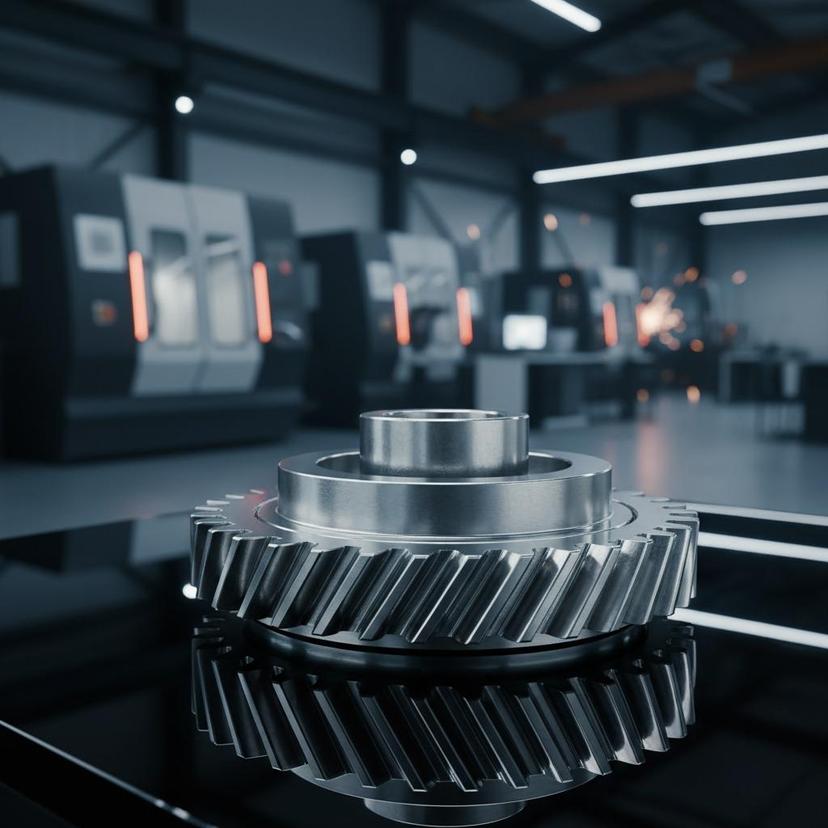
Consider the integration with advanced components like gear shafts. These precision items, often made from stainless steel, require a finish that supports smooth operation while protecting against environmental degradation. Powder coating ensures that such parts maintain their helical designs' efficiency, reducing noise and vibration in power transmission systems.
In the construction industry, powder coating metal parts enhances architectural elements like railings and facades, combining beauty with longevity. Even in consumer goods, from appliances to furniture, this technique provides a premium feel and resistance to daily wear. The adaptability makes it a go-to solution for innovators seeking to elevate their products.
Step-by-Step Process for Powder Coating Metal Parts
Preparing metal parts for powder coating begins with thorough surface cleaning to remove oils, rust, or old finishes. This might involve sandblasting or chemical treatments to ensure adhesion. Once prepped, the parts are hung on racks for the spraying stage, where the powder is applied using a spray gun.
After application, the coated metal parts enter a curing oven, typically heated to 350-400°F for 10-20 minutes. This melts the powder, forming a hard shell that cools into a seamless finish. Quality checks follow, inspecting for uniformity and defects, ensuring each piece meets specifications.
For specialized applications, additional steps like masking certain areas can be incorporated to protect threads or mating surfaces. This meticulous approach guarantees that powder coating metal parts not only looks great but also functions optimally in demanding environments.
Choosing the Right Powder Coating for Your Needs
Selecting the appropriate powder type is crucial for powder coating metal parts effectively. Thermoset powders, which undergo a chemical reaction during curing, offer superior heat resistance, ideal for automotive exhaust components. Thermoplastic varieties, on the other hand, are more flexible and suited for parts needing impact resistance, like tool handles.
Factors such as operating temperature, exposure to chemicals, and desired aesthetics influence the choice. Consulting with experts ensures the coating aligns with specific requirements, such as those for high-performance gear systems where precision and durability are paramount. Modern advancements, like low-cure powders, allow coating on heat-sensitive metals without distortion.
By understanding these options, manufacturers can tailor solutions that boost efficiency and reliability. Whether enhancing stainless steel shafts for industrial use or standardizing finishes across a product line, powder coating metal parts empowers innovation and quality.
Maintenance and Longevity of Powder Coated Metal Parts
Once applied, powder coated metal parts require minimal upkeep, thanks to their resilient nature. Routine cleaning with mild soap and water suffices to maintain appearance, avoiding harsh abrasives that could damage the finish. In industrial settings, regular inspections help identify any wear early, extending service life.
Compared to painted surfaces, powder coatings resist chalking and peeling, even after years of exposure. This longevity reduces replacement costs and downtime, making it a smart investment for businesses. For precision components in dynamic applications, the smooth surface from powder coating also aids in consistent performance.
In summary, embracing powder coating metal parts is a strategic move for enhancing durability, aesthetics, and efficiency across industries. From crafting high-quality stainless steel gear shafts to outfitting machinery, this process sets the standard for modern engineering excellence, driving productivity and innovation forward.
(Word count: 912)