 English




Unlocking the Power of Custom Forged Components in Modern Manufacturing
In the world of industrial innovation, custom forged components stand out as the backbone of precision engineering and reliability. These specialized parts are meticulously crafted to meet the exact specifications of demanding applications, ensuring that every project achieves peak performance. Whether you're in aerospace, automotive, or heavy machinery sectors, understanding the value of custom forged components can transform how you approach manufacturing challenges. This article delves into the intricacies of these components, highlighting their benefits, production processes, and real-world applications to help you appreciate their indispensable role.
The Art and Science Behind Custom Forged Components
Custom forged components are created through a forging process that involves heating metal and shaping it under high pressure, resulting in parts that are stronger and more durable than those produced by casting or machining alone. This method aligns perfectly with the needs of industries requiring components that can withstand extreme conditions. For instance, the forging process enhances the grain structure of the metal, making it resistant to fatigue and corrosion—key attributes for long-term reliability.
One of the primary advantages of opting for custom forged components is the ability to tailor them to unique requirements. Unlike off-the-shelf parts, these components can be designed with precise dimensions, materials, and finishes to fit specific machinery or systems. High-grade stainless steel, for example, is often used due to its excellent corrosion resistance and strength, making it ideal for environments exposed to harsh elements. The result is a part that not only performs flawlessly but also contributes to overall system efficiency by reducing wear and tear.
Moreover, the customization aspect allows for integration into complex assemblies without compromising integrity. Engineers can specify tolerances as tight as a few thousandths of an inch, ensuring seamless compatibility. This level of precision is crucial in fields like automotive manufacturing, where even minor deviations can lead to significant performance issues. By choosing custom forged components, manufacturers minimize the risk of failures, thereby extending equipment lifespan and cutting maintenance costs.
Applications and Benefits Across Key Industries
The versatility of custom forged components makes them essential in a variety of sectors. In aerospace, for example, these parts are vital for engine mounts, landing gear, and structural elements that must endure immense stresses and temperature fluctuations. The precision engineering involved ensures that every component meets stringent safety standards, such as those set by the FAA, reducing the likelihood of in-flight issues and enhancing overall aircraft reliability.
In the automotive industry, custom forged components are used in transmissions, suspension systems, and engine blocks, where durability under high-speed and high-load conditions is non-negotiable. These parts contribute to improved fuel efficiency and smoother operation, aligning with the growing demand for eco-friendly and high-performance vehicles. A polished finish on these components not only provides aesthetic appeal but also aids in reducing friction, further boosting efficiency.
High-tech manufacturing benefits equally, with custom forged components finding use in robotics, medical devices, and semiconductor equipment. Their supreme reliability ensures minimal downtime, which is critical in production lines where every second counts. For sectors requiring tight tolerances, these components deliver the accuracy needed for optimal functionality, often outperforming standard alternatives in terms of longevity and precision.
Beyond performance, the economic advantages are substantial. By investing in custom forged components, companies can avoid the pitfalls of generic parts that may require frequent replacements. This proactive approach leads to cost savings over time, as well as improved scalability for growing operations. The ability to source these components from specialized providers ensures that they align with broader manufacturing goals, fostering innovation and competitiveness.
Why Choose Precision Engineered Custom Forged Components?
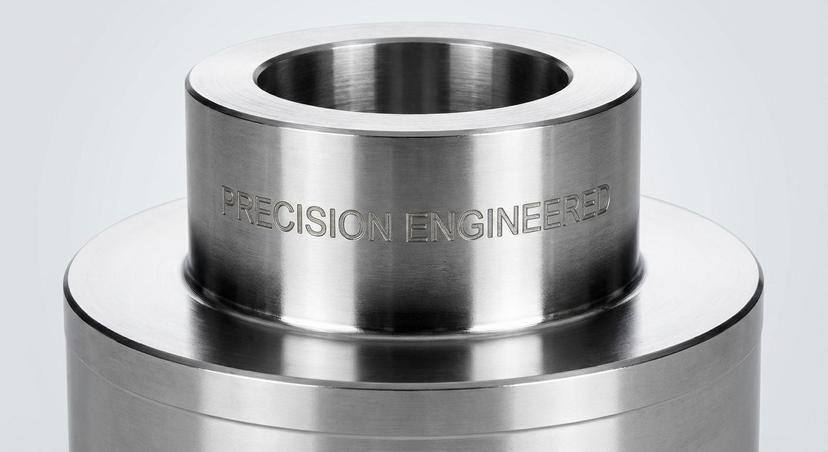
When selecting custom forged components, the focus should be on precision engineering that guarantees excellence in every detail. Consider a component crafted from high-grade stainless steel, featuring a sleek, polished finish that not only enhances its visual appeal but also ensures seamless integration into advanced machinery. Such parts are designed for critical applications where accuracy is paramount, minimizing risks and maximizing output.
The production of these components involves advanced techniques, including computer-aided design (CAD) and finite element analysis (FEA), to simulate real-world stresses and refine the forging process. This results in parts that are not just robust but also lightweight, which is particularly beneficial in weight-sensitive industries like aerospace. Furthermore, the forging method preserves the metal's natural strength, avoiding the weaknesses introduced by welding or other joining techniques.
In practice, companies leveraging custom forged components report significant improvements in operational efficiency. For example, in heavy machinery, these parts reduce vibration and noise, creating a safer and more comfortable working environment. Their adaptability also allows for rapid prototyping and iteration, speeding up product development cycles without sacrificing quality.
Looking ahead, the future of custom forged components lies in sustainable practices. With advancements in eco-friendly alloys and energy-efficient forging technologies, these parts are becoming more aligned with global environmental standards. Manufacturers are increasingly incorporating recycled materials, ensuring that strength and sustainability go hand in hand.
Conclusion: Elevate Your Projects with Custom Forged Components
Custom forged components represent the pinnacle of manufacturing ingenuity, offering unparalleled durability, precision, and versatility. From their robust construction to their tailored applications, these parts are engineered to drive success across diverse industries. By prioritizing quality in your component selection, you position your operations for long-term efficiency and innovation. As industries evolve, embracing custom forged components will be key to staying ahead, ensuring that every project reaches new heights of performance and reliability.
In summary, the investment in custom forged components pays dividends through enhanced reliability, reduced costs, and superior integration. Whether for aerospace marvels or automotive powerhouses, these components are the forged path to excellence. Explore how incorporating them can revolutionize your manufacturing processes today.