 English




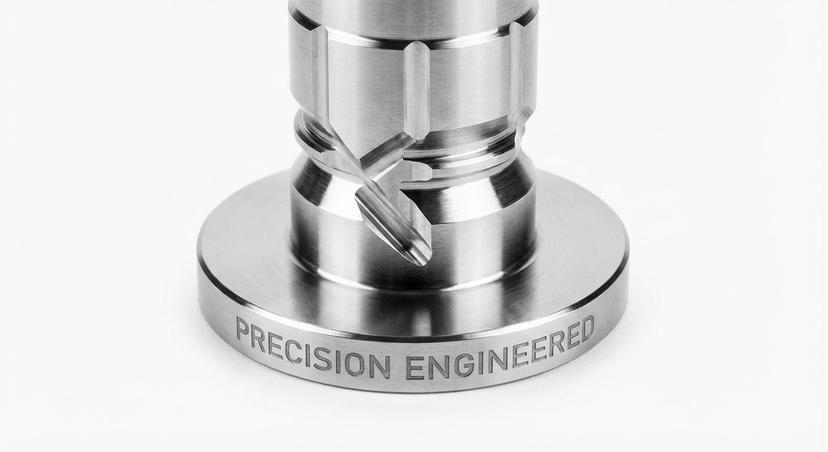
OEM Casting Components: Precision and Innovation in Manufacturing
In the world of advanced manufacturing, OEM casting components stand out as essential building blocks for industries ranging from automotive to aerospace. These custom-made parts, produced through intricate casting processes, ensure that machinery and equipment operate with utmost precision and reliability. At the heart of this technology is the ability to create complex shapes and structures that meet stringent specifications, making OEM casting components indispensable for modern production lines. Whether it's engine blocks, housings, or intricate fittings, these components embody the fusion of artistry and engineering, delivering performance that drives innovation.
Understanding the OEM Casting Process
The journey of creating OEM casting components begins with a deep understanding of material science and metallurgy. Casting involves pouring molten metal into molds, allowing it to solidify into the desired form. For OEM applications, this process is refined to achieve high tolerances and surface finishes that off-the-shelf parts simply can't match. Manufacturers employ techniques like sand casting, die casting, and investment casting to produce OEM casting components that withstand extreme conditions, such as high temperatures and pressures. This versatility allows companies to tailor parts specifically to their designs, reducing assembly time and enhancing overall efficiency. Moreover, the use of advanced simulation software ensures that potential defects are identified early, resulting in superior quality and minimal waste.
One key advantage of OEM casting components is their scalability. From prototyping small batches to mass-producing thousands of units, the process adapts seamlessly to production demands. Materials like aluminum, steel, and alloys are selected based on the application's needs—lightweight for fuel efficiency in vehicles or robust for heavy machinery. This customization not only optimizes performance but also contributes to cost savings by eliminating the need for extensive post-processing. As industries push toward sustainability, many OEM casting processes now incorporate recycled materials, further enhancing their appeal in eco-conscious markets.
Applications and Benefits Across Industries
OEM casting components find their place in a myriad of sectors, each benefiting from their precision-engineered nature. In the automotive industry, for instance, these components form critical parts of transmissions and suspension systems, where durability directly impacts safety and longevity. Aerospace demands even higher standards, with OEM casting components used in turbine blades and structural elements that must endure supersonic speeds and thermal stresses. The medical field relies on them for prosthetic devices and surgical tools, where biocompatibility and exact dimensions are non-negotiable.
Beyond functionality, the benefits extend to innovation and competitiveness. By partnering with specialized foundries, companies can accelerate time-to-market for new products, incorporating complex geometries that traditional machining can't achieve. OEM casting components also reduce weight without compromising strength, a crucial factor in electric vehicles and renewable energy equipment like wind turbine gears. Quality control measures, including non-destructive testing and certifications like ISO 9001, ensure that every batch meets global standards, fostering trust and reliability in supply chains.
The economic impact is equally significant. OEM casting components streamline manufacturing workflows, lowering labor costs and material usage. For small to medium enterprises, this means accessing high-end production capabilities without investing in their own facilities. As global trade evolves, these components support just-in-time inventory systems, minimizing storage needs and maximizing responsiveness to market fluctuations.
Advancements in Technology and Future Trends
The evolution of OEM casting components is propelled by cutting-edge technologies that redefine what's possible. Additive manufacturing integrations, such as hybrid casting with 3D-printed molds, allow for unprecedented design freedom and rapid iterations. Automation in pouring and cooling processes has dramatically improved consistency, reducing human error and increasing throughput. Digital twins—virtual replicas of casting simulations—enable predictive maintenance and optimization, ensuring OEM casting components perform flawlessly in real-world scenarios.
Looking ahead, sustainability will shape the future of OEM casting components. Innovations like low-emission furnaces and bio-based binders are reducing the environmental footprint of production. The rise of Industry 4.0 integrates IoT sensors into casting lines, providing real-time data on component integrity. This connectivity not only enhances quality but also opens doors to smart manufacturing ecosystems where OEM casting components self-monitor for wear and tear.
For businesses seeking a competitive edge, embracing these advancements in OEM casting components is key. Collaborative efforts between designers and casters foster breakthroughs, such as lightweight alloys for electric aviation or corrosion-resistant parts for marine applications. As demand grows for customized, high-performance solutions, OEM casting components will continue to be at the forefront of industrial transformation.
Choosing the Right Partner for Your OEM Needs
Selecting a reliable supplier for OEM casting components is crucial to unlocking their full potential. Look for partners with proven expertise in your industry, equipped with state-of-the-art facilities and a commitment to continuous improvement. Evaluate their capabilities in handling diverse materials and volumes, and prioritize those offering end-to-end services from design consultation to delivery. Certifications, case studies, and client testimonials provide insights into their track record.
In conclusion, OEM casting components represent more than just parts—they are the backbone of progress in manufacturing. Their precision, adaptability, and efficiency make them vital for innovation across sectors. By leveraging these components, companies can achieve superior products that stand the test of time, driving success in an ever-evolving marketplace. With ongoing technological strides, the future of OEM casting components promises even greater possibilities, ensuring they remain a cornerstone of industrial excellence.
(Word count: 912)