English




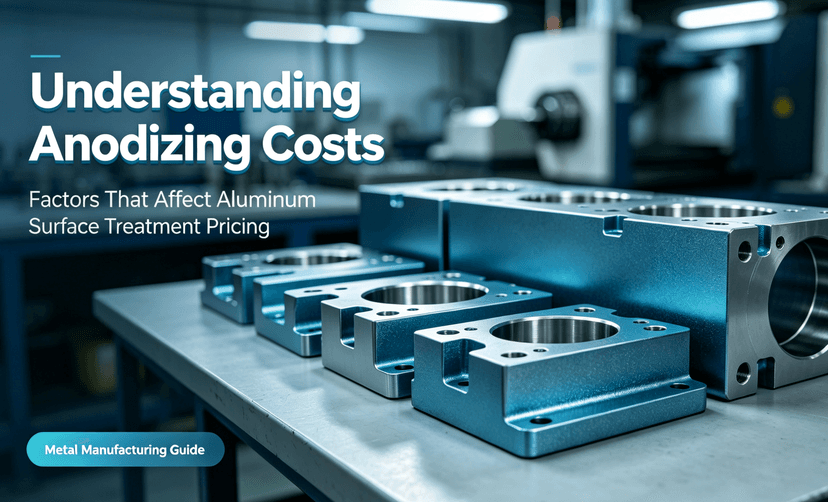
Against the global lightweighting trend for new energy vehicles, precision aluminum components have become the top material choice for automakers and Tier 1 automotive suppliers. Aluminum anodizing, a dedicated high-performance surface finishing process for aluminum alloys, delivers superior corrosion resistance, wear hardness, consistent aesthetics, and optimized long-term total cost of ownership.
With 12 years of specialized experience in custom automotive aluminum anodizing based in Ningbo, Liqin Industry breaks down full-chain cost logic for international OEM buyers. This guide covers five core dimensions: pre-production cost estimation, production line equipment selection, DFM process optimization, mass-production break-even analysis, and defect loss control. We explain how standardized anodizing solutions slash per-unit manufacturing costs for automotive aluminum parts across prototyping, mid-volume iteration, and high-volume mass production scenarios. Our framework helps overseas manufacturers eliminate hidden overheads and unlock profitable scaled production for lightweight automotive components.
1. Why Partner with Liqin Industry for Custom Automotive Aluminum Anodizing?
-
One-Stop All-Range Automotive Aluminum Finishing Compliant with Global Export StandardsWe provide anodizing services for a full lineup of automotive aluminum parts, including new energy motor housings, precision forged chassis components, interior structural aluminum profiles, EV battery pack frames, and heat-dissipating electronic control enclosures. We support all mainstream automotive aluminum grades: 6061, 6063, 5052, and 7075.Our facility holds complete industry certifications: IATF16949 automotive quality management system, ISO9001, RoHS, and REACH compliance. We can supply full PPAP documentation, independent salt spray, film thickness, and hardness test reports to meet access requirements for European, American, and Southeast Asian automotive supply chains, removing the extra expense of third-party compliance testing for our clients.
-
No Upfront Custom Fixture Charges for Iterative Batch OrdersConventional spray coating and electroplating require custom masking fixtures costing $450–$1,800 per set. Liqin Industry deploys standardized universal racks paired with flexible masking techniques. New product prototypes incur zero fixture tooling fees, and multiple annual design revisions do not require new custom tooling—an ideal cost-saving advantage for overseas clients with frequent design updates and small-batch validation runs.
-
Transparent Export-Focused Cost Accounting with Zero Hidden FeesWe offer complimentary full-process anodizing cost breakdown spreadsheets that itemize six core expense categories: chemical reagents, electricity, labor, racking fixtures, wastewater treatment, and rework waste. Clear tiered pricing differentiates natural, colored, and hard coat anodizing, eliminating unexpected surcharges after quotation and streamlining standardized pricing workflows for your independent website inquiries.
-
In-House Fully Automated Production Lines in Ningbo with Fast Cross-Border Lead TimesOur factory operates self-owned anodizing lines without outsourced subcontracting, located in Ningbo with convenient port access. Prototypes ship within 3 working days, and bulk orders deliver in 7–10 days. Our engineering team reviews CAD drawings via online DFM pre-validation and delivers optimized process plans plus accurate quotations within 24 hours to accommodate cross-timezone communication with global buyers.
2. Core Competitive Advantages of Liqin Industry’s Anodizing Services for Mass Production Cost Reduction
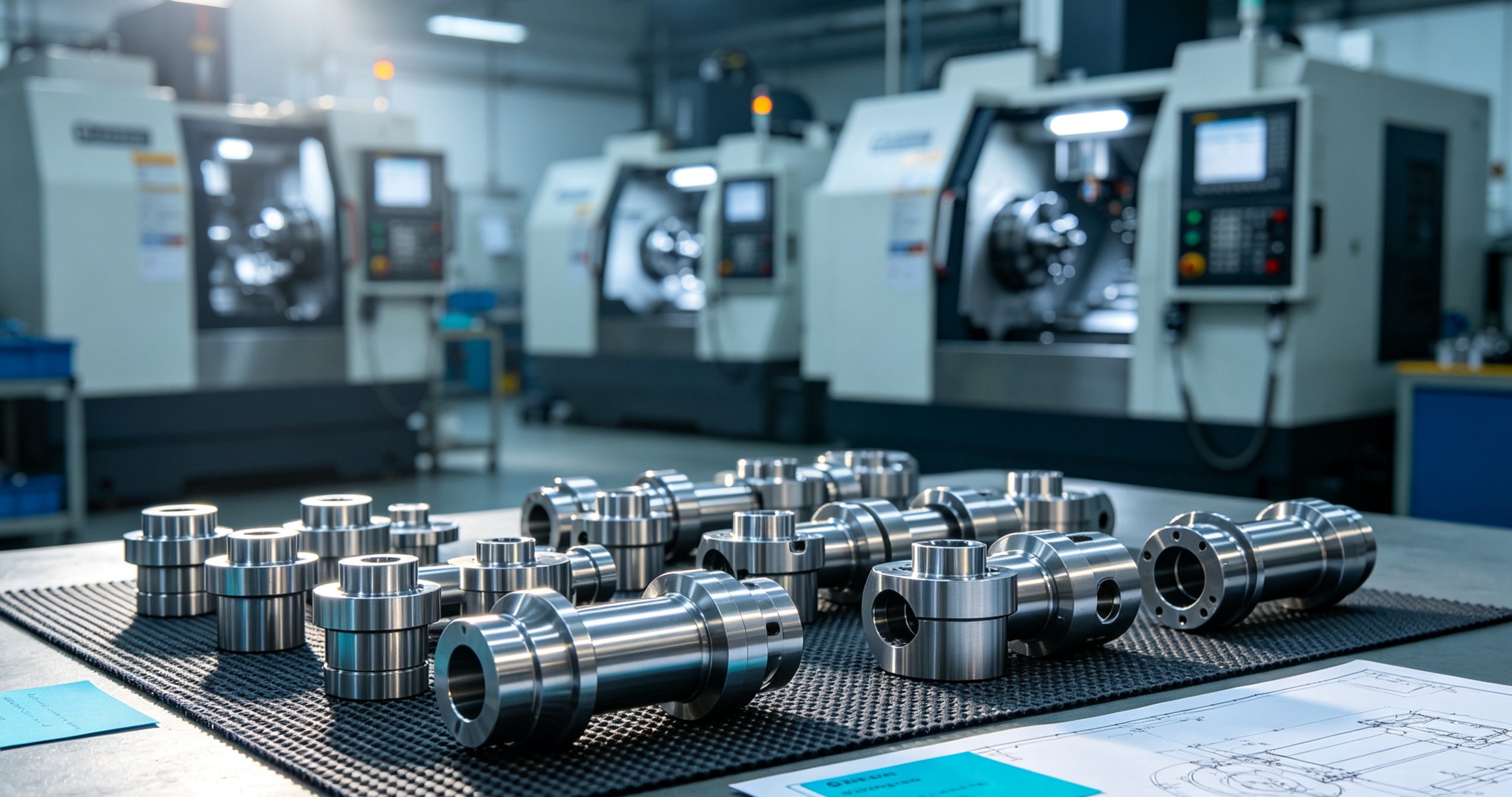
2.1 Dual Parallel Automated Lines for Standard & Hard Coat Anodizing with Flexible Capacity
2.2 400+ Annual DFM Pre-Production Reviews to Eliminate Rework Expenses
2.3 Closed-Loop Chemical Recycling Cuts Raw Material Waste by 19%
2.4 In-Line Film Thickness & Salt Spray Testing Prevents Costly Overseas Claims
3. Why Full Aluminum Anodizing Cost Analysis Is Critical Before Scaling Automotive Precision Component Production
-
Hidden Cost 1: Reagents & Power (35%–45% of Total Anodizing Expense)Hard coat anodizing operates at low temperatures with high pulse current, consuming 2.3x more electricity than standard decorative anodizing. Black dye and long-life sealing agents add 40% reagent cost vs natural finish variants. When scaling large orders, fluctuations in power and chemical expenses can erase 10%–18% of profit margins. Our customized cost calculators precisely allocate power and reagent overhead based on your component alloy, target film thickness, and color specification to lock in stable long-term processing pricing.
-
Hidden Cost 2: Scrap & Rework Triggered by Poor Component GeometryAluminum parts with thin walls, 2mm micro-bores in 6mm plate stock, enclosed deep cavities, and sharp corners frequently suffer uneven film layers, edge burning, and color inconsistency. Skipping upfront DFM analysis before mass production leads to 12%–20% defect rates, generating compound costs from scrapped parts, secondary rework, and two-way international shipping. Pre-order cost analysis paired with drawing optimization eliminates scrap waste at the source.
-
Hidden Cost 3: Tiered Amortization Driven by Batch Break-Even VolumesSmall-batch runs (<500 units) carry high fixed overhead from equipment setup, rack preparation, and lab testing, creating a 25%–40% unit price premium. Mid-volume orders of 5,000–30,000 units hit the initial cost break-even point, while full mass runs exceeding 50,000 units running at full automated capacity deliver an additional 15% per-unit cost reduction. Pre-calculating your annual order volume allows us to match the optimal production line and scheduling plan to secure volume-discounted pricing.
-
Hidden Cost 4: Export Compliance Add-On FeesAnodizing processes not engineered to meet REACH and automotive PPAP standards require expensive third-party testing and chemical reformulation. Liqin’s cost estimates include full export certification services upfront with no post-production compliance surcharges, fully aligning with audit requirements for overseas vehicle manufacturers.
4. How Production Machine Selection Shapes Pricing Metrics for Automotive Precision Component Services: Side-by-Side Comparison of Two Dominant Anodizing Line Types
| Comparison Metric | Automated Continuous Standard Anodizing Line (Type II Decorative Finish) | Pulsed Hard Coat Specialized Anodizing Line (Type III Wear-Resistant Finish) | Key Client Benefit Breakdown |
|---|---|---|---|
| Upfront Fixture & Mold Investment | Standard universal racks with zero custom tooling fees for new prototypes; no extra charges for design revisions | Custom masking fixtures required for complex wear parts, $1,500–$8,000 per fixture set | Small-batch, frequently revised interior and cosmetic aluminum components benefit from continuous lines to eliminate large fixture amortization costs |
| Mass Production Break-Even Volume | Break-even threshold: 3,000–35,000 units; superior per-unit pricing below 35,000 units | Break-even threshold: 35,000+ units; large batch volumes spread heavy equipment depreciation evenly | Select continuous lines for annual orders under 35,000 units with frequent iterations; hard coat lines deliver better long-term pricing for engine and heavy-duty chassis components ordered in batches above 50,000 units |
| Material & Tank Loading Utilization | Mixed-part nested racking delivers 92% tank loading rate with low reagent waste | Mandatory cooling gaps between single parts reduce loading efficiency to 78%; chemical consumption rises by 18% | Mixed cosmetic aluminum orders maximize tank output with continuous lines to cut reagent and energy amortization |
| Per-Batch Energy Overhead | Moderate constant-temperature operation: $0.18 electricity cost per 10,000 units | Low-temperature cooling + high pulse current: $0.42 electricity cost per 10,000 units | Lightweight cosmetic EV parts minimize energy expenditure with standard decorative anodizing |
| Ideal Automotive Component Applications | EV interior trim, battery pack enclosures, electronic control heat sinks, cosmetic exterior aluminum profiles | Engine pistons, wear-resistant chassis sliding blocks, hydraulic valve aluminum bodies, heavy-load structural automotive components | Match equipment type to component functional requirements to avoid overinvesting in unnecessary industrial-grade processing capacity |
| Design Revision Changeover Costs | One-click parameter switching; 2-hour setup time with no extra labor surcharges | Long heating/cooling cycles for dedicated low-temperature tanks; setup labor time increases by 300% | R&D prototyping and annually revised export OEM orders achieve lower total landed cost via continuous automated lines |
Core Takeaway
5. Full Production Chain Cost-Optimization Technologies & Practical Implementation for Automotive Aluminum Anodizing
5.1 Upfront DFM Drawing Optimization (Source Cost Reduction: Cuts Unit Labor Time by 22%)
- Standardized Wall Thickness & Bore Ratio Guidelines: Specify minimum 3mm bores for 6mm aluminum plate stock to eliminate extra pulsed machining labor, saving $0.30 per unit. We recommend industry-standard 3.0mm aluminum sheet instead of non-standard 3.2mm stock to avoid a 15% raw material markup.
- Sharp Edge & Deep Cavity Modification: Add R0.5 radii to all sharp corners and integrate overflow vents into enclosed cavities to eliminate color inconsistency and edge burning defects, reducing scrap rates by 16%.
- Simplified Selective Masking: Consolidate discrete masked zones to cut manual tape application labor, lowering mass-order labor expenses by 20%.
5.2 Intelligent Nested Mixed Racking Technology (Maximize Tank & Material Utilization)
- Multi-Part Mixed Loading: Nest different-sized aluminum parts to fill empty rack space, lifting tank loading utilization from 75% to 92% and boosting batch output by 27% to spread fixed reagent and electricity costs across more finished units.
- Optimized Shared Conductive Contact Points: Standardize rack contact positions to eliminate localized overheating and secondary rework steps.
- Algorithm-Driven Batch Scheduling: Group identical film thickness and color orders in continuous production runs to reduce tank cleaning and reagent switching waste, cutting chemical consumption by 19%.
5.3 Anodizing Core Parameter Tuning Technologies (Simultaneous Energy & Labor Savings)
- Intelligent Positive-Negative Pulse Rectifier Regulation: Replaces traditional DC power supplies for uniform film deposition, shortening hard coat processing cycles by 25% and cutting cooling energy usage by 17%.
- Staged Closed-Loop Constant Temperature Control: Segmented temperature regulation eliminates full-capacity continuous cooling demand, reducing power overhead for hard coat production.
- Multi-Stage Counterflow Water Recycling: Reuse rinsing chemicals to lower wastewater treatment costs by 23% while meeting EU environmental export compliance standards.
5.4 Streamlined One-Stop Post-Finishing Solutions (Eliminate Secondary Processing Fees)
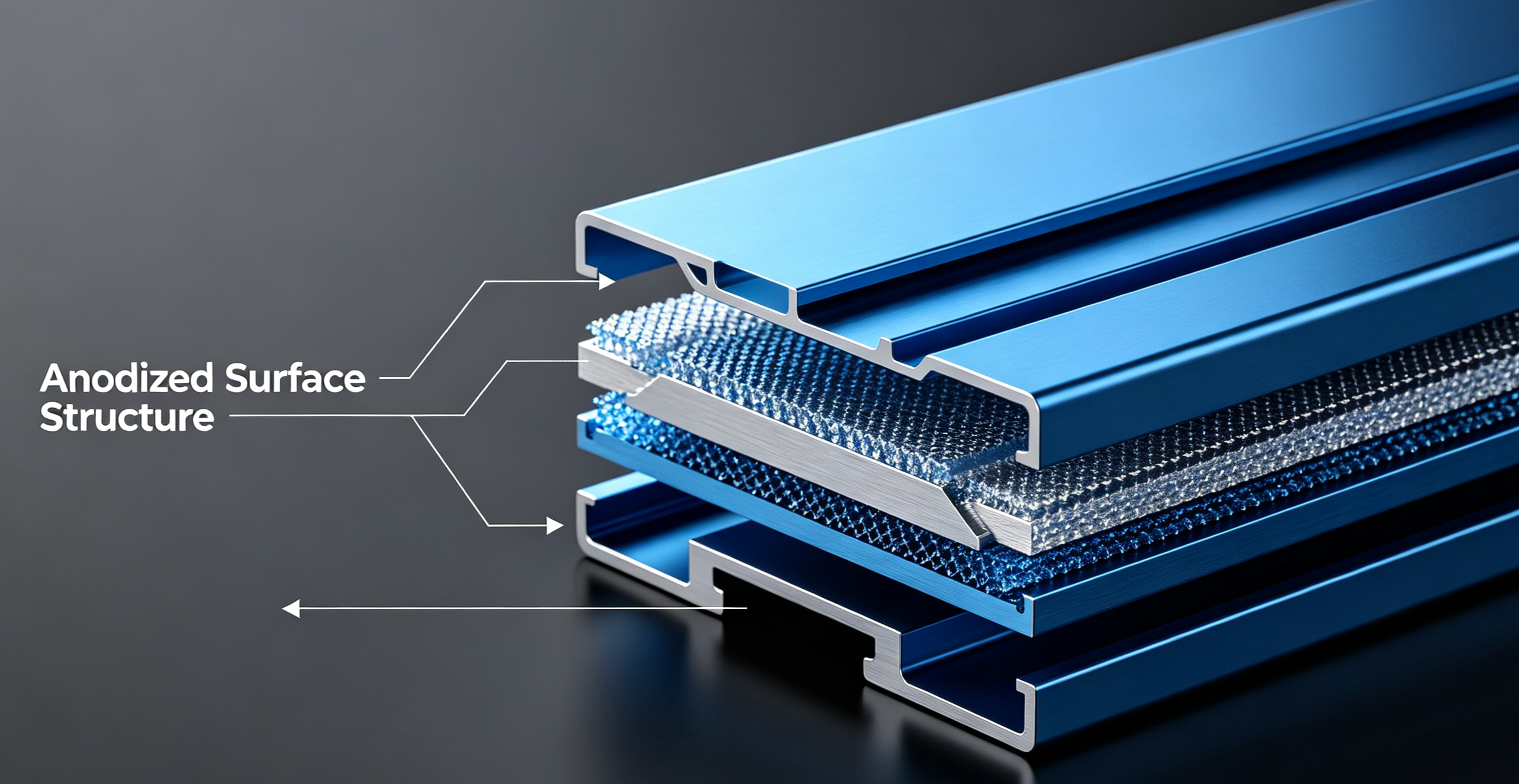
6. High-Cost Production Defects in Automotive Aluminum Anodizing & Corresponding Technical Fixes
-
Issue 1: Uneven film thickness & color variation on thick/thin mixed walls and deep cavities (10%–18% defect rate)Solution Technology: Zoned adjustable pulse current paired with continuous tank liquid circulation systems to maintain consistent electrolyte flow within enclosed cavities, tightening film thickness tolerance to ±2μm and reducing color-related defects to below 1%.
-
Issue 2: Rough surface slag buildup on hard coat anodizing requiring secondary polishingSolution Technology: Staged high/low current hard coat processing paired with stable low-temperature tanks delivers surface roughness Ra ≤ 1.0μm. Parts arrive assembly-ready without post-production grinding steps to eliminate extra labor hours.
-
Issue 3: Uncontrollably high per-unit mass-production costs driven by excessive reagent & power wasteSolution Technology: Closed-loop chemical recovery plus intelligent nested racking cuts reagent consumption by 19% and lifts tank utilization by 27%, reducing overall batch production costs by 14% for orders above 10,000 units.
-
Issue 4: Costly downtime & prototype scrap from frequent design revision setup cyclesSolution Technology: Digital centralized process database storing validated anodizing parameters for thousands of automotive aluminum part models. Revised drawings pull matched process data within one hour, cutting prototype scrap waste by 90%.
-
Issue 5: Failed export compliance testing triggering overseas returns & corrective rework chargesSolution Technology: Full in-line inspection for film thickness, salt spray resistance, and color consistency at every production stage. Every shipment ships with complete IATF16949 compliant test documentation to pass Tier 1 automotive supplier audits on first submission, with zero post-delivery compliance remediation fees.
7. Real-World Client Case Study: 32% Total Anodizing Cost Reduction for EV Aluminum Battery Housings
Client Background
Custom Optimized Solution Implemented by Liqin Industry
- Pre-order DFM drawing review: Refined cooling hole geometry and layout with integrated side overflow vents to boost internal electrolyte circulation.
- Scheduled mass production on automated continuous Type II anodizing lines with nested mixed racking to maximize tank loading capacity.
- Staged pulse current process control to limit component warpage to under 0.15mm.
- Full closed-loop chemical recycling systems to reduce amortized reagent overhead per finished unit.
Measurable Cost & Delivery Outcomes
- Defect rate dropped from 17.5% to 0.6%, fully eliminating manual straightening rework steps.
- Overall per-unit aluminum anodizing cost reduced by 32%.
- Single-batch delivery lead time shortened by 60% to accommodate rush export shipping schedules for overseas buyers.
- Complete certified compliance documentation enabled seamless annual Tier 1 automotive supplier audits from European clients, driving a 45% increase in repeat annual order volume.