 English



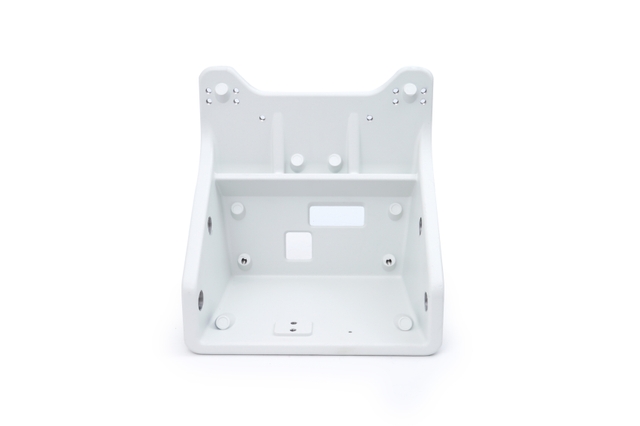
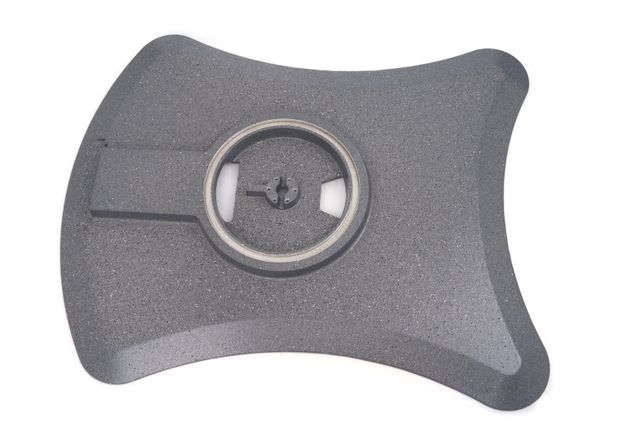
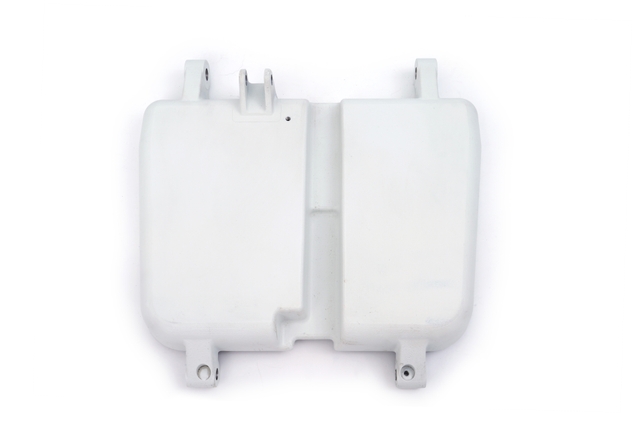
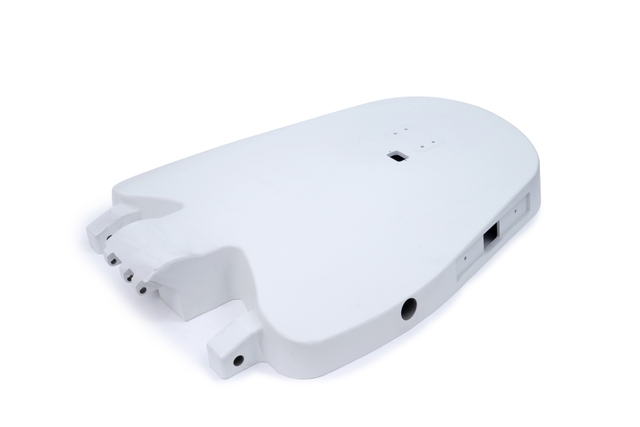
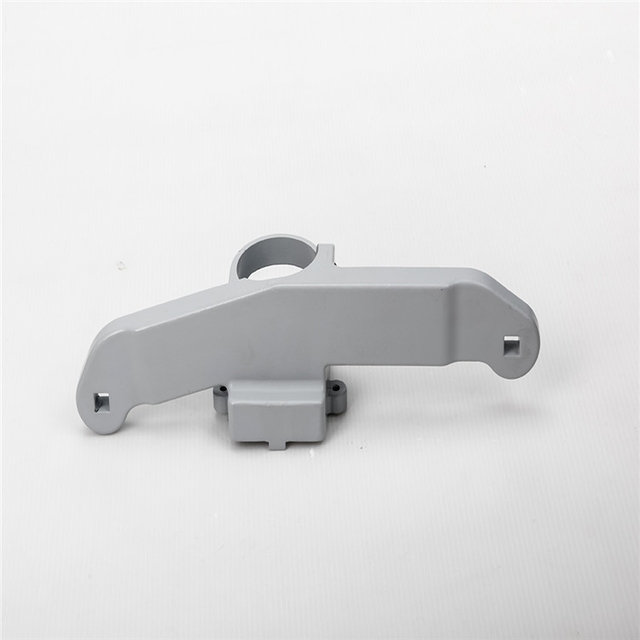
Product Description
| thing | describe |
|---|---|
| Design/Size | According to customer's drawings or samples |
| Material | Aluminum: 6061, 6063, 6082, 7075, 5052, A380, etc.
|
| process | CNC machining, turning, milling, stamping, turning, cutting, etc. |
| Delivery time | Samples usually take 3-7 working days, and mass production will be carried out according to the detailed quantity after sample approval. |
| Surface treatment | Transparent anodizing, color anodizing, chemical coating, brushing, passivation, polishing, chrome plating, sandblasting, laser engraving, zinc plating, black oxide, nickel plating, chrome plating, carburizing, heat treatment, painting |
| Test equipment | Coordinate measuring machine (CMM), 2D measuring instrument, projector, altimeter, micrometer, thread gauge, hardness tester, caliper, pin gauge, salt spray tester, concentricity measuring instrument, spectrometer. |
| Quality Management System | ISO 9001:2015
|
| application | Auto parts, machinery parts, computer parts, medical parts, home appliance parts, electrical parts, electronic product parts, electronic parts, generator parts, alternator parts, generator parts, stationery, power switches, micro switches, construction, merchandise and A/V equipment. |
| File Format | Solidworks, Pro/Engineer, CAD, PDF, JPG, DXF, IGS |
| Package | Inner plastic bag, outer standard carton, or as per customer's requirements |
| Shipping | Sea freight, air freight, international express (DHL, FedEx, TNT, UPS). |
| Serve | The professional foreign trade team provides enthusiastic and fast response services.
|
1. Executive Summary & Product Architecture Overview
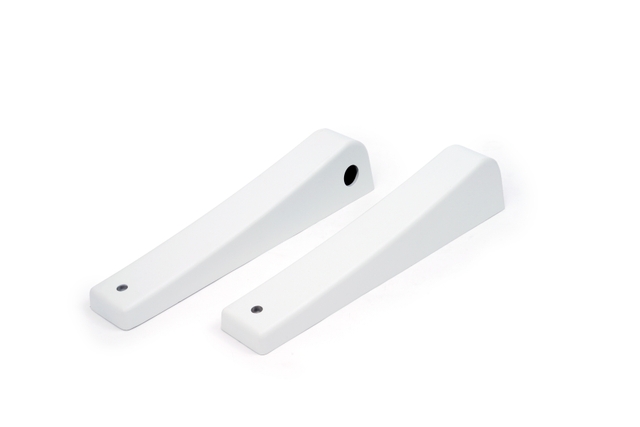
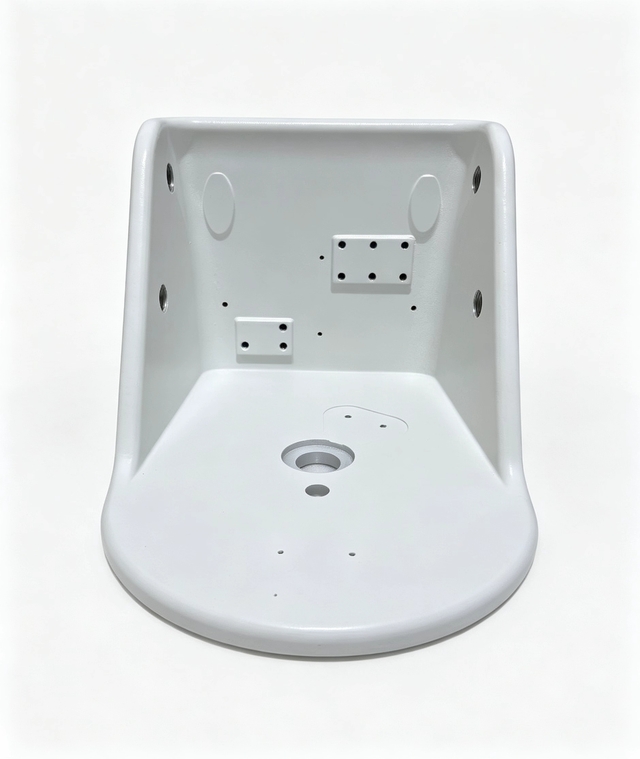
The medical dental chair leg support assembly represents a mission-critical structural articulation component engineered specifically for high-end electro-hydraulic and electromechanical dental operative units. Serving as the primary load-bearing interface between the central patient positioning chassis and the lower extremity articulation sub-assembly, this structural casting provides indispensable kinetic guidance, anatomical support, and vibration-damped load distribution throughout dynamic clinical positioning sequences. In contemporary restorative dentistry, oral maxillofacial surgery, implantology, and orthodontics, patient stability and positioning precision directly dictate clinical outcomes. The leg support resolves the multifaceted engineering challenges of torsional rigidity, cyclic fatigue resistance, strict bio-sanitization tolerance, and micro-inch pin mating clearances by utilizing an advanced A356-T6 structural aluminum alloy casting coupled with multi-axis CNC secondary machining and compliant medical-grade electrostatic powder coating.
2. Material Engineering & Metallurgical Architecture
The fundamental structural integrity of the leg support originates from its raw material specification—A356-T6 cast aluminum alloy. A356 is a hypoeutectic 7.0% silicon and 0.35% magnesium aluminum alloy specifically selected for its exceptional castability, weldability, pressure tightness, and outstanding strength-to-weight ratio. The alloy undergoes a rigorous T6 thermal treatment schedule consisting of high-temperature solution heat treatment at 538°C (1000°F) for 8 to 12 hours to dissolve solute atoms into solid solution, rapid water quenching at 65°C to 100°C to freeze the supersaturated solid solution, and subsequent artificial aging at 155°C (310°F) for 4 to 6 hours to promote uniform precipitation of fine Mg₂Si intermetallic phases.
This metallurgical architecture yields a tensile strength ranging from 230 to 260 MPa, a yield strength exceeding 165 to 185 MPa, an elongation at break of 3.5% to 5.0%, and a Brinell hardness between 75 and 85 HBW. With a material density of approximately 2.68 g/cm³, the component reduces the rotational moment of inertia across the dental chair articulation linkages while offering structural rigidity comparable to cast iron sections weighing nearly three times as much. The fine eutectic silicon microstructure modified with strontium additions provides superior fatigue strength, allowing the leg support to endure decades of continuous patient ingress, egress, and dynamic articulation without crack propagation.
3. Precision Multi-Axis Machining & Dimensional Tolerancing
Transitioning from raw casting to finished machined component demands high-precision multi-axis CNC milling, drilling, tapping, and reaming operations across multi-plane datums. The component measures approximately 384.71 mm in overall height, 310.39 mm in lateral width, and features wall sections optimized between 12.30 mm and 28.58 mm to withstand heavy cantilevered bending moments. Critical structural features include dual reamed pivot pin through-holes dimensioned at 0.502 inches (+0.001/-0.000 in, or 12.75 ±0.025 mm) engineered to accommodate high-precision global mating pins (Global Part Number: 107037536), secondary 0.625 inch (15.95 +0.025/-0.000 mm) through-holes across both structural feet, and 1/4-20 UNC-2B cross-drilled internal relief holes intersecting primary hinge axes.
Secondary mounting interfaces incorporate an array of 8 counterbored fastening positions threaded with 10-32 UNF internal threads with 0.209 inch × 90° countersinks and a dedicated R14.27 mm (R0.562 in cast reference) detent retention groove. Manufacturing protocols strictly mandate minimizing manual hand grinding adjacent to the detent profile to preserve exact camming geometry and prevent positional play during active articulation. The comprehensive geometrical dimensioning and tolerancing (GD&T) ensures concentric alignment across all opposing hinge clevises, thereby preventing premature bushing wear and eliminating binding during motorized deployment.
4. Surface Finishing, Masking Protocols & Quality Assurance
Prior to surface finishing, all external cast and machined surfaces undergo mechanical Dual Action (DA) orbital sanding and automated deburring to eliminate all micro-burrs, parting lines, and sharp edges. Surface coating is executed in strict compliance with Medical Paint Specification, applying a specialized thermoset epoxy-polyester powder coat system. Because the leg support integrates precision running clearance bores and threaded fasteners, a comprehensive masking protocol is enforced during the electrostatic application process:
-
All threaded apertures (including 1/4-20 UNC and 10-32 UNF) are masked against powder ingress;
-
Precision 0.501 inch and 0.502 inch reamed pin bores are 100% masked on all interior mating surfaces;
-
0.625 inch pivot bores across both feet are masked on all interior faces;
-
Controlled overspray is selectively permitted across designated non-functional interior casting surfaces to optimize coating cycle efficiency without compromising structural fits.
The resulting exterior finish provides uniform texture and color free of runs, sags, blistering, or particulate inclusions, delivering a coating thickness of 75 to 110 μm that withstands over 1000 hours of continuous ASTM B117 salt spray exposure and exhibits high chemical resilience against quaternary ammonium, 75% isopropyl alcohol, and sodium hypochlorite hospital-grade disinfectants.
5. Clinical Ergonomics & Operational Application Scenarios
In modern clinical practice, dental treatment chairs must accommodate an extraordinarily diverse demographic while providing flawless stability during delicate microscopic procedures:
-
General Restorative Dentistry & Prophylaxis: The leg support maintains synchronized, vibration-free angular adjustment during routine chair elevation, Trendelenburg tilting, and return-to-exit movements. It provides rigid knee and lower-calf stabilization that alleviates lumbar spinal tension in seated patients, facilitating ergonomic positioning for dentists and hygienists during extended treatment sessions.
-
Oral & Maxillofacial Surgery and Dental Implantology: During prolonged surgical interventions exceeding 120 to 180 minutes, any mechanical deflection or microscopic backlash under patient weight creates visual disruption under high-magnification surgical loupes and operating microscopes. The component provides a rock-solid structural foundation with zero discernible flexure under concentrated lower-body loads.
-
Pediatric, Bariatric & Geriatric Patient Care: Engineered with a conservative structural safety factor exceeding 4.0, the leg support effortlessly accommodates bariatric patient capacities up to 250 kg (550 lbs) dynamic load and over 800 kg static load without plastic deformation, while its smooth contour profile prevents soft-tissue pinching during automated leg-rest retraction.
6. Engineering Advantages & Comparative Value Matrix
The 113-015-025-H leg support establishes a benchmark in dental structural engineering through five distinct architectural pillars:
-
High Specific Rigidity & Vibration Damping: The A356-T6 alloy matrix attenuates high-frequency harmonics generated by hydraulic actuators and electric spindle motors, eliminating tactile vibration transfer to the patient.
-
Micro-Inch Kinematic Precision: Tight bilateral reamed tolerances (+0.001/-0.000 in / ±0.025 mm) eliminate mechanical hysteresis and wobbling throughout 100,000+ articulation cycles, guaranteeing smooth, silent motion.
-
Full Surface Passivation & Infection Control: Chemical-resistant powder coating prevents oxidative pitting and galvanic corrosion even under intensive daily wiping protocols mandated by ISO 13485 medical cleaning standards.
-
Reduced Actuator Load: The optimized topological casting geometry lowers total assembly weight by 42% compared to traditional ductile iron or welded steel brackets, extending the operational lifespan of chair lifting motors and hydraulic seals.
-
Total Life-Cycle Economy: By eliminating field fatigue fractures, bushing misalignment, and surface degradation, the component dramatically lowers the Total Cost of Ownership (TCO) for dental equipment OEMs and clinical end-users.
FAQ
Q1: Why is A356-T6 cast aluminum used instead of traditional cast iron or welded steel?
With a density of 2.68 g/cm³, A356-T6 reduces component weight by over 60% compared to cast iron, lowering actuator load while providing 230–260 MPa tensile strength, superior vibration damping, and intrinsic corrosion resistance.
Q2: Why is 100% masking strictly required for pin bores (0.502/0.625") and threaded holes prior to painting?
The critical hinge bores have a tight tolerance of 0.502 +0.001/-0.000" (12.75 ±0.025 mm) to match mating pins (Global P/N: 107037536). Powder coating buildup (75–110 μm) inside bores or threads would ruin running clearances, causing mechanical binding or cross-threading.
Q3: Why does the blueprint explicitly mandate "Minimize hand grinding near detent groove"?
The R14.27 mm detent groove acts as a precision camming profile for positioning and retention. Over-grinding distorts its exact geometry, leading to positional play, backlash, or loss of positive locking feel during articulation.
Our Core Advantages
- Specialized process solutions for medical mechanical parts, fully familiar with strict medical standards on cleanliness, corrosion resistance and burr-free surfaces. Support compliant custom processing for medical device manufacturers.
- Full in-house clean manufacturing including milling, tapping, cleaning and powder coating without outsourcing, shortening lead time for prototypes & mass orders.
- Complete precision testing equipment including CMM, thread gauges, film thickness meters & salt spray testers. Full sets of dimensional, salt spray and cleanliness reports can be supplied.
- One-stop customization: drawing optimization, material replacement, clean process adjustment & fast prototype sampling, matching small-batch & repeated orders of medium & small medical equipment factories.
We specialize in non-standard precision structural components for medical devices. With strict clean production control and mature manufacturing systems, we supply durable bottom load-bearing base components for automatic medical testing and pharmaceutical production lines.
TEL: +86 187 5714 8656
Email: zhouli@chinaliqin.com
WhatsApp:+86 187 5714 8656
Website:https://www.cncliq.com/