 English



Product Description
| thing | describe |
|---|---|
| Design/Size | According to customer's drawings or samples |
| Material | Aluminum: 6061, 6063, 6082, 7075, 5052, A380, etc.
|
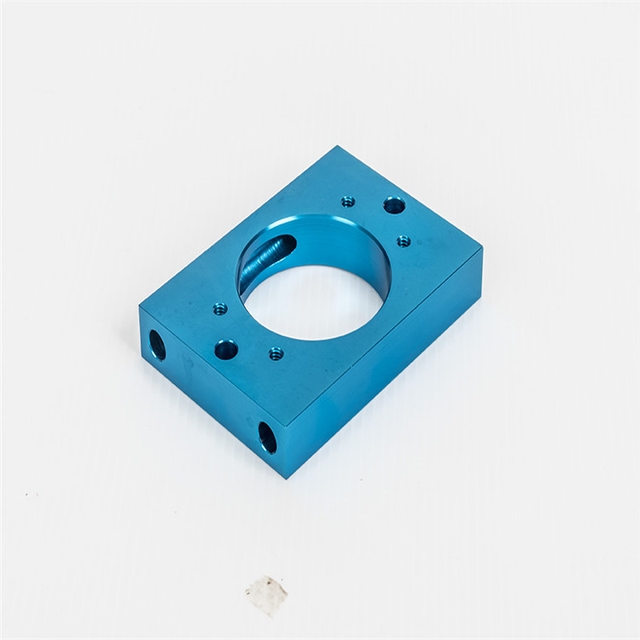
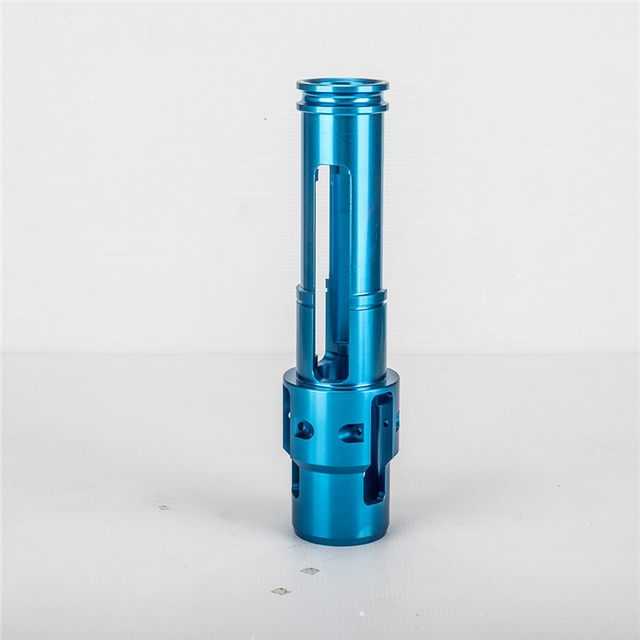
| process | CNC machining, turning, milling, stamping, turning, cutting, etc. |
| Delivery time | Samples usually take 3-7 working days, and mass production will be carried out according to the detailed quantity after sample approval. |
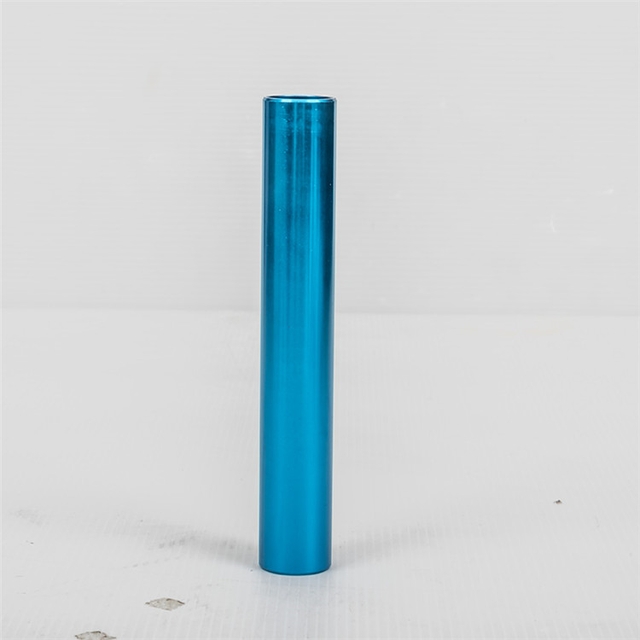
| Surface treatment | Transparent anodizing, color anodizing, chemical coating, brushing, passivation, polishing, chrome plating, sandblasting, laser engraving, zinc plating, black oxide, nickel plating, chrome plating, carburizing, heat treatment, painting |
| Test equipment | Coordinate measuring machine (CMM), 2D measuring instrument, projector, altimeter, micrometer, thread gauge, hardness tester, caliper, pin gauge, salt spray tester, concentricity measuring instrument, spectrometer. |
| Quality Management System | ISO 9001:2015
|
| application | Auto parts, machinery parts, computer parts, medical parts, home appliance parts, electrical parts, electronic product parts, electronic parts, generator parts, alternator parts, generator parts, stationery, power switches, micro switches, construction, merchandise and A/V equipment. |
| File Format | Solidworks, Pro/Engineer, CAD, PDF, JPG, DXF, IGS |
| Package | Inner plastic bag, outer standard carton, or as per customer's requirements |
| Shipping | Sea freight, air freight, international express (DHL, FedEx, TNT, UPS). |
| Serve | The professional foreign trade team provides enthusiastic and fast response services.
|
Executive Overview
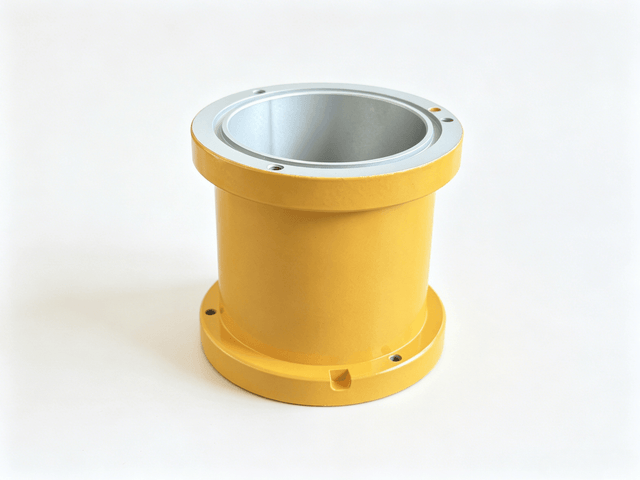
Engineered specifically for mission-critical environmental monitoring in hazardous industrial locations, this precision explosion-proof enclosure serves as the core protective housing for industrial-grade optical gas detectors, combustible gas monitoring instruments, and advanced flameproof analytical sensors. Operating at the frontline of oil, gas, and chemical infrastructure, optical gas sensors require an uncompromising structural envelope that simultaneously shields sensitive infrared optics from corrosive industrial atmospheres and prevents any potential internal electrical combustion from propagating into the surrounding flammable environment.
Manufactured from high-integrity wrought aerospace-grade aluminum, the component integrates precision flamepath joint geometries, multi-stage micro-machining, and a resilient dual-layer surface protection system. By combining functional safety with durability, this enclosure sets a rigorous engineering standard for explosion-proof instrumentation operating across heavy industry and offshore installations.
Material Integrity and Metallurgical Selection
The enclosure is machined from certified structural 6061-T6 aluminum alloy, chosen deliberately over conventional cast iron, stainless steel, and cast aluminum alternatives. In hazardous industrial environments, material selection directly determines functional reliability:
-
Strength-to-Weight Optimization: Wrought 6061-T6 provides exceptional mechanical yield strength and impact toughness while eliminating nearly two-thirds of the structural weight associated with traditional cast stainless steels. This structural lightness significantly simplifies field mounting on high-altitude pipe racks and remote sensor masts.
-
Absence of Casting Defects: Unlike gravity or die-cast enclosures that inherently carry risks of microscopic porosity, gas inclusion voids, and micro-shrinkage fractures, billet-machined structural aluminum ensures a dense, homogeneous metallurgical grain structure. Under explosive pressure scenarios, this solid matrix eliminates micro-fissure expansion pathways, ensuring zero wall permeability under high peak transient pressures.
-
Thermal Dissipation and Structural Stability: The high thermal conductivity of aluminum facilitates rapid heat dispersion from internal optoelectronic assemblies, infrared emitters, and microcontrollers. Furthermore, the material maintains uniform dimensional stability across wide temperature swings, eliminating flamepath clearance warping between sub-zero Arctic conditions and high-heat desert environments.
Manufacturing Engineering and Process Route
Fabrication of this flameproof component requires a sequential multi-axis manufacturing process characterized by tight dimensional tolerances and strict defect prevention protocols:
-
Multi-Stage CNC Rough Turning: The processing starts with primary and secondary rough turning operations on high-rigidity CNC lathes. Material removal is carried out in balanced steps across opposing ends to release internal rolling stresses of the extruded alloy, preventing workpiece distortion during subsequent fine operations.
-
Fine Turning and Precision Flamepath Generation: Finishing passes utilize ultra-fine micro-grain carbide tooling operating under calibrated cutting parameters. Dedicated turning cycles establish the critical internal flameproof cylindrical bore and the matching counterbore seating planes. The cylindrical mating surface is turned to mirror-smooth micro-finishes with minimal runout. Specialized nylon chuck collets and dedicated soft jaws prevent mechanical clamping bruising and wall deflection throughout every clamping cycle.
-
Multi-Axis CNC Milling and Threading: Machining transitions to multi-axis vertical machining centers. Here, multiple circular bolt patterns, retention thread sets, through-holes, and radial locating slots are milled in precise angular orientation. Rigid tapping cycles form fine-pitch retention threads designed to withstand dynamic pressure shock loads. Edge breaks and chamfering are applied across all transitional intersections to ensure completely burr-free surfaces.
-
Precision Surface Finishing and Masking: Protection consists of a hybrid coating architecture. First, the entire workpiece undergoes a colorless transparent anodic oxidation pass, converting the bare metallic matrix into an integrated, corrosion-resistant aluminum oxide film. Next, critical internal explosion-proof cylindrical surfaces, mounting registers, and internal threads are isolated using custom-engineered elastomeric masking plugs. The exposed cylindrical exterior receives an automated electrostatic application of heavy-duty exterior polyester powder enamel, followed by controlled thermal curing to produce a durable, UV-resistant safety-yellow textured finish.
Quality Assurance and Geometric Control
Quality assurance for flameproof equipment operates under zero-defect criteria. Every manufacturing batch is governed by structured inspection routings:
-
Flamepath Verification: The primary internal bore and adjoining shoulder interfaces serve as certified flamepaths. Surface roughness is verified using high-resolution diamond stylus profilometers to ensure the total absence of tool chatter marks, micro-ridges, or circumferential scoring.
-
Dimensional and Positional Metrology: Coordinate measuring machines (CMM) and calibrated internal air-gauging systems measure diameter, runout, and concentricity. The perpendicularity of locating shoulders relative to the primary datum bore is strictly audited to guarantee absolute optical and mechanical alignment when mating lenses and rear electronic modules are installed.
-
Tool Life Management and Containment Protocols: Cutting inserts operate under monitored tool-life tracking algorithms. Whenever tool indexing occurs, adjacent production pieces undergo mandatory quarantine inspection to verify thread depth, bore geometry, and absence of burrs prior to process resumption.
-
Coating Thickness and Adhesion Audits: Powder enamel film thickness is measured with calibrated digital coating gauges to ensure uniform protective depth, while cross-hatch adhesion and visual inspections confirm void-free coverage across the entire exterior.
Application Scenarios
This enclosure is purpose-built for deployment in Zone 1 and Zone 2 (or Class I, Division 1 and Division 2) hazardous industrial zones where volatile hydrocarbon vapors, flammable mists, or combustible gases may be present during normal or upset operations:
-
Offshore and Deepwater Oil Platforms: Exposed to dense maritime salt fog, high humidity, and continuous wave-slamming vibrations on FPSO decks and drilling rigs.
-
Refining and Petrochemical Facilities: Installed across catalytic cracking units, alkylation plants, distillation towers, and pump skids where trace hydrocarbon gas leaks require 24/7 continuous optical detection.
-
LNG Terminals and Cryogenic Gas Processing: Positioned at liquefied natural gas regasification plants, cryogenic storage tank perimeters, and marine loading arms.
-
Hydrogen and Clean Energy Infrastructure: Utilized in advanced hydrogen electrolysis facilities, high-pressure hydrogen dispensing stations, and fuel cell research testing grounds.
-
Pipeline Pumping Stations and Underground Vaults: Deployed in isolated pipeline manifold stations, gas metering skids, and confined utility corridors susceptible to combustible gas buildup.
Product Advantages
-
Superior Flame Containment: Engineered in strict alignment with international explosion-proof construction rules, the long flamepath joint length and tight radial tolerances guarantee that internal ignition cannot flash over to ignite ambient atmospheric vapors.
-
Extreme Environmental Resilience: The dual-barrier system—combining transparent chemical anodization with heavy-duty exterior polyester powder coating—delivers outstanding resistance to saline spray, acidic atmospheric pollutants, continuous solar ultraviolet radiation, and mechanical abrasions.
-
Optical and Mechanical Precision: Tight axial parallelism and bore roundness allow precision optical windows, sapphire lenses, and optoelectronic sensor arrays to sit perfectly flat without experiencing mechanical twist or focal distortion.
-
Field Installation Efficiency: Weighing significantly less than equivalent stainless steel housings, the component reduces dynamic structural fatigue on mounting hardware and allows single-technician installation and serviceability in restricted plant areas.
-
Contamination-Free Internal Chamber: The uniform anodized interior prevents micro-flaking and metallic dust shedding, safeguarding sensitive optical lenses, photodetectors, and delicate analytical circuit boards from optical contamination over years of continuous field life.
Operational Value and Life-Cycle ROI
In hazardous area instrumentation, the enclosure is not merely a mechanical box—it is an active safety barrier safeguarding human life, multi-billion-dollar industrial assets, and continuous plant productivity.
By utilizing defect-free aerospace aluminum and multi-stage precision machining, this housing prevents sensor failure caused by housing corrosion, seal leakage, or structural deformation. It substantially lowers plant lifecycle operational expenditures by extending maintenance turnaround cycles and eliminating unexpected instrument downtime in demanding offshore and chemical environments.
Above all, when operational upsets occur and internal electrical malfunctions generate sparks or thermal overpressures, the structural housing securely contains the explosion within its walls, extinguishing escaping flame fronts and preventing catastrophic industrial explosions. Through rigorous manufacturing precision and protective surface engineering, it delivers uncompromised safety, structural longevity, and dependable analytical performance to the world’s most demanding industrial environments.
FAQ
Q1: Why are the internal bore and shoulder called "flamepaths," and what controls are needed?
A: They serve as the critical flame-quenching joint in the explosion-proof (Ex d) design. If internal gases ignite, the narrow metallic clearance rapidly cools escaping hot gases below ambient ignition thresholds. Because any surface flaw creates a dangerous leakage channel, flamepaths must have zero scratches, chatter marks, or dents, requiring dedicated soft-jaw fixtures and protective tooling throughout machining.
Q2: What is the purpose of the dual "colorless anodizing + selective yellow powder coating" finish?
A: It balances internal mechanical precision with external weather resistance. Clear anodizing protects internal surfaces against corrosion without altering tight flamepath clearances; the 80 µm exterior polyester powder coating provides high-visibility safety yellow and guards against harsh salt spray and UV exposure. Precision masking of all flamepaths and threads is mandatory to prevent powder overspray.
Q3: What are the key advantages of 6061-T6 aluminum over cast materials or stainless steel?
A:
-
Zero porosity: Unlike castings that risk voids or micro-cracks under peak blast pressure, billet machining guarantees a solid, gas-impermeable matrix;
-
Lightweight design: At roughly one-third the density of stainless steel, it reduces structural loads on elevated pipe mounts and simplifies field installation;
-
Superior heat transfer: Excellent thermal conductivity rapidly dissipates heat generated by internal optoelectronic emitters and circuits, minimizing sensor drift.
TEL: +86 187 5714 8656
Email: zhouli@chinaliqin.com
WhatsApp:+86 187 5714 8656
Website:https://www.cncliq.com/