 English




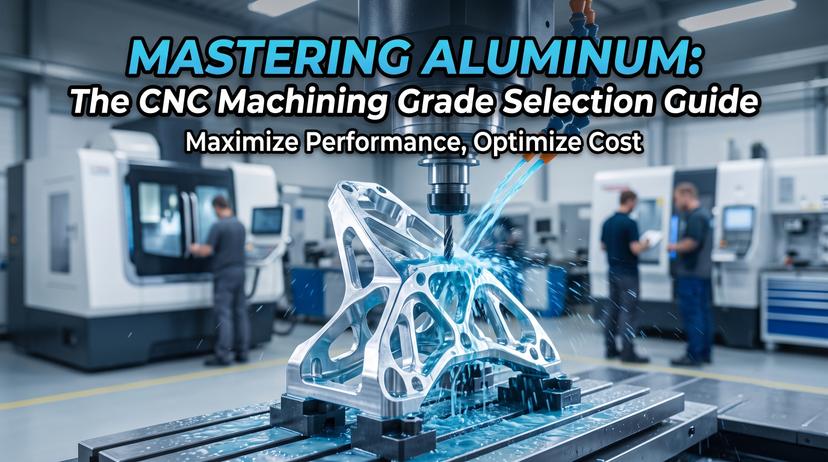
In the precision manufacturing industry, selecting the ideal material is often the defining factor between project success and costly redesigns. When it comes to CNC machining, aluminum is the undisputed king due to its exceptional machinability, strength-to-weight ratio, and versatility. However, "aluminum" is not a single material—it is a vast family of alloys, each engineered with distinct mechanical and chemical properties.
Choosing the wrong aluminum grade can lead to premature component failure, unachievable dimensional tolerances, or unnecessary cost overruns. As a premier industrial and trading partner, Ningbo Liqin Industrial & Trading Co., Ltd. leverages decades of front-line manufacturing expertise to guide international buyers and engineers through these critical engineering decisions.
To save your time, here is a quick reference overview of the core conclusions.
Quick Reference: Aluminum Grades for CNC Machining
| Aluminum Grade | Key Characteristics | Best Applied For | Relative Cost | Machinability |
| Aluminium 6061 | Excellent versatility, corrosion resistance, good weldability. | Structural parts, frames, brackets, electronics housing. | Medium | High |
| Aluminium 7075 | Aerospace-grade strength, exceptional fatigue resistance. | High-stress components, aircraft wings, racing parts, molds. | High | Medium |
| Aluminium 5052 | Superior marine corrosion resistance, outstanding formability. | Sheet metal panels, marine components, intricate enclosures. | Low-Medium | Medium |
| Aluminium 2024 | High fatigue resistance, excellent strength (contains copper). | Aircraft structures, tension members, gears and shafts. | High | Medium-High |
| Aluminium 6063 | Superb surface finish smoothness, ideal for extrusion. | Architectural trim, aesthetic enclosures, heat sinks. | Low | High |
Why Trust This Guide? Decades of Front-Line Manufacturing Expertise
Every insight in this guide stems from the collective field experience of the engineering team at Liqin Industrial & Trading Co., Ltd. We are not just a trading broker; we operate a sophisticated manufacturing setup with advanced multi-axis CNC milling, turn-mill complex processing, and rigorous quality inspection workflows.
Our hands-on experience has saved our global clients thousands of dollars in production costs. For instance, we recently collaborated with a European medical robotics firm whose original blueprints specified Aluminum 7075 for a series of internal structural brackets. By evaluating their actual load-bearing requirements, our engineers recommended switching to Aluminum 6061-T6 paired with custom type-II anodizing. This single technical adjustment maintained the part's full structural integrity while reducing their raw material and machining costs by 32% and shaving days off their delivery timeline.
Deep Dive: The Ultimate Showdown – 6061 vs. 7075
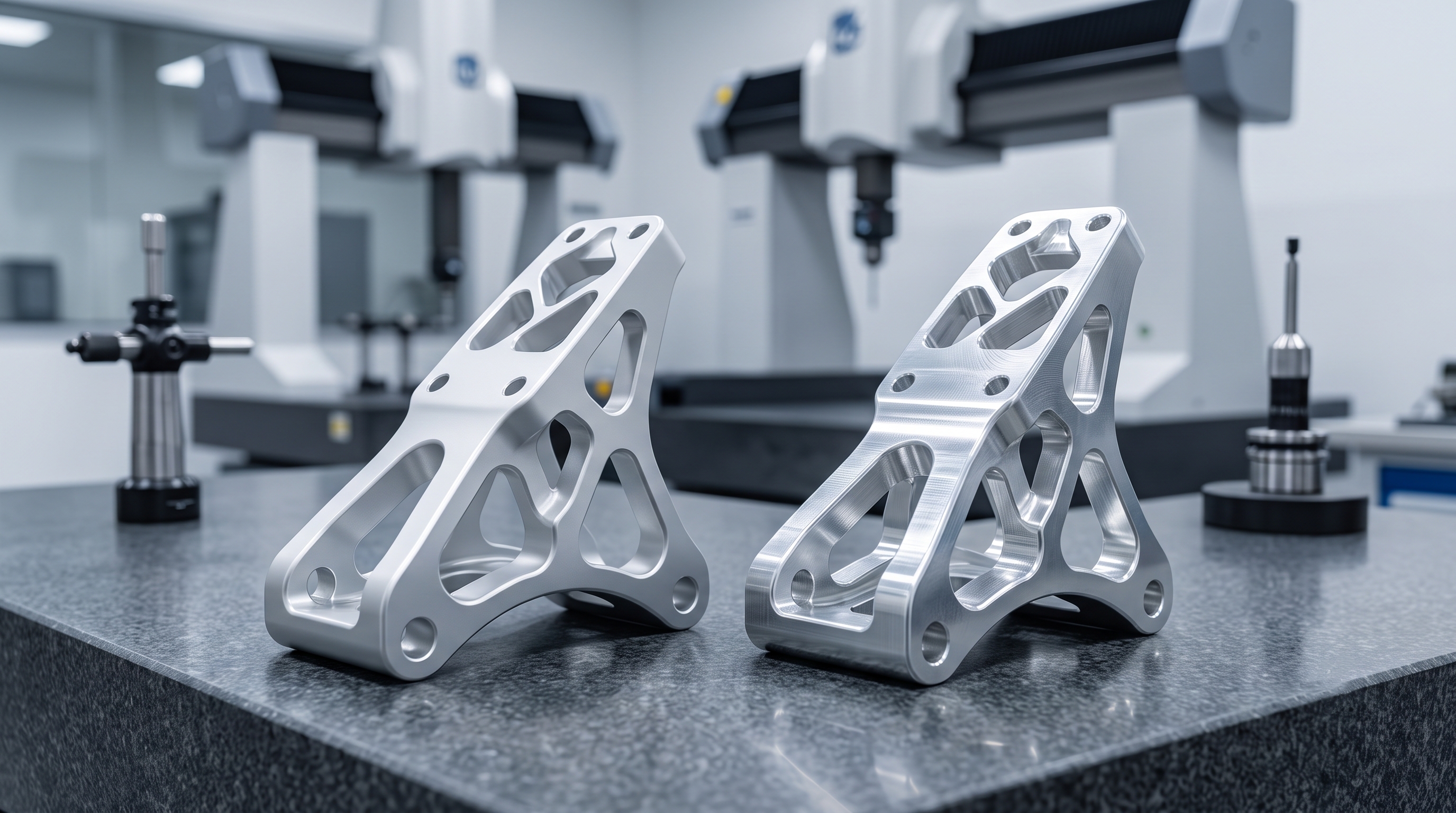
For 80% of CNC machining projects, the decision ultimately boils down to a head-to-head matchup between two legendary alloys: 6061 and 7075. Understanding their fundamental differences is vital for optimal product development.
1. Aluminum 6061: The Workhorse of Industry
Alloyed primarily with magnesium and silicon, 6061 is the ultimate all-rounder in the manufacturing world.
-
The Strength Profile: While it doesn’t match the extreme strength of the 7000 series, 6061-T6 offers a robust yield strength of approximately 276 MPa, which is more than sufficient for most industrial machinery, automotive brackets, and consumer electronics.
-
Machinability & Surface Finish: It chips cleanly, exhibits minimal tool wear, and accepts surface finishes exceptionally well. Whether your project requires clear anodizing, bright color anodizing, or bead blasting, 6061 yields a flawless cosmetic result.
-
Corrosion Resistance: Unlike copper-heavy alloys, 6061 displays remarkable resistance to atmospheric and environmental corrosion, making it highly reliable for long-term outdoor deployment.
2. Aluminum 7075: The Aerospace Heavyweight
Alloyed primarily with zinc, 7075 stands as one of the highest-strength aluminum alloys available commercially.
-
The Strength Profile: With a yield strength reaching up to 503 MPa (in the T6 temper), 7075-T6 rivals many structural steel alloys while retaining the lightweight benefits of aluminum.
-
The Trade-Offs: This extreme strength comes with compromises. 7075 is noticeably harder to machine than 6061, which increases tool wear and extends cycle times on the shop floor. Furthermore, it possesses lower corrosion resistance and is significantly more expensive than the 6000 series.
-
When to Choose: Reserve 7075 strictly for critical applications where maximum strength, extreme fatigue resistance, and weight reduction are paramount—such as aerospace bulkheads, high-performance racing components, and highly stressed military gear.
Expanding the Horizon: Other Essential CNC Aluminum Grades
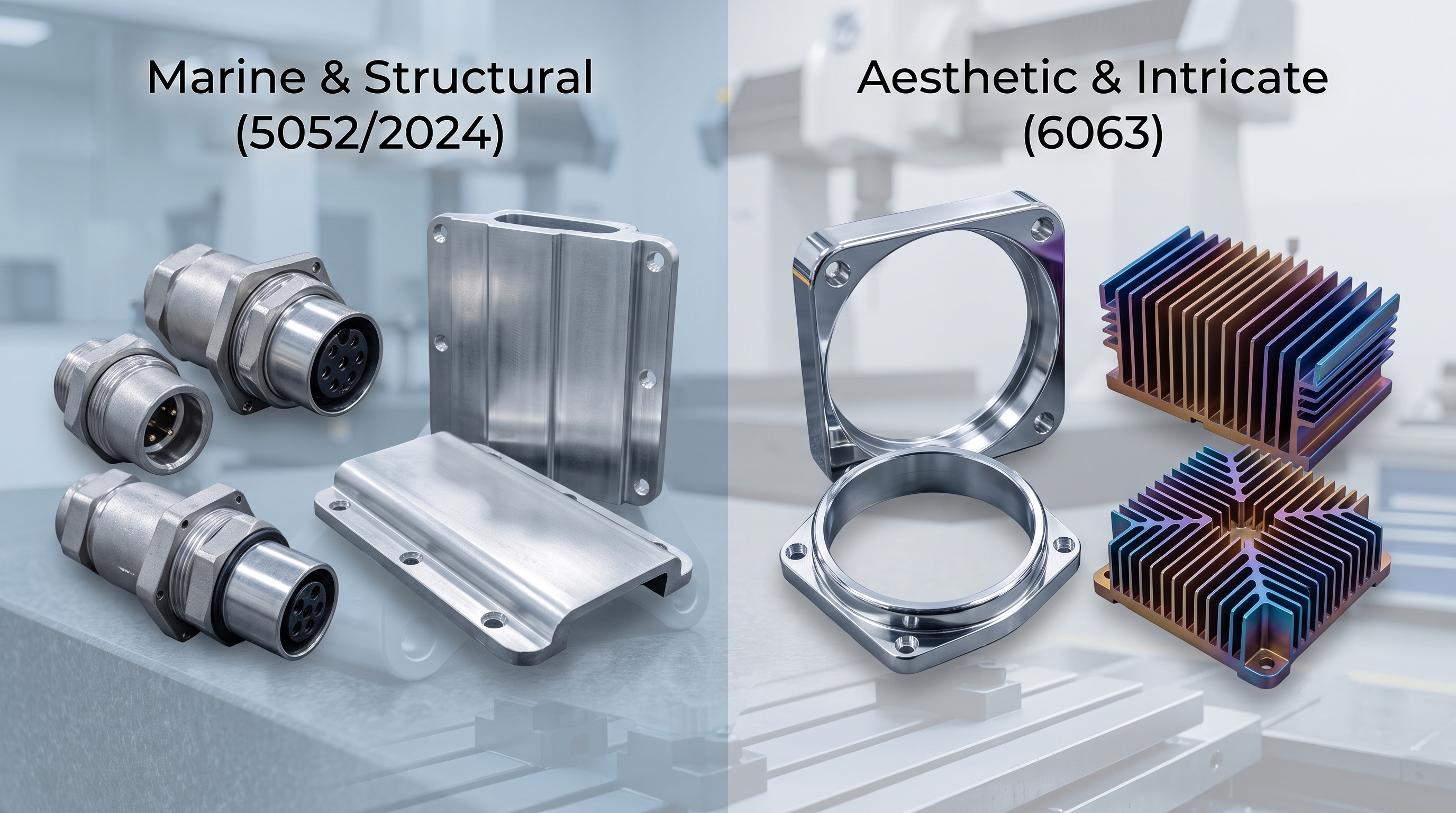
While 6061 and 7075 dominate the market, specialized engineering challenges often require alternative properties.
1. Aluminum 5052 – The Marine Specialist
If your CNC machined components are destined for maritime environments, offshore oil rigs, or severe chemical exposure, 5052 is an exceptional candidate. It contains no copper and is highly resistant to saltwater corrosion. While less commonly chosen for highly complex block milling due to its high ductility, it is excellent for precision-machined sheet components and custom maritime enclosures.
2. Aluminum 2024 – The High-Fatigue Performer
Alloyed with copper, 2024 is celebrated for its outstanding fracture toughness and high fatigue resistance. It is widely utilized in aircraft skin components, structural tension members, and heavy-duty gears. However, due to its high copper content, it is highly susceptible to galvanic corrosion and cannot be easily welded; it typically requires specialized anodizing or an alclad coating for environmental protection.
3. Aluminum 6063 – The Architectural Beauty
6063 is frequently selected when aesthetic excellence outweighs heavy structural demands. It exhibits an incredibly smooth surface finish post-machining and responds beautifully to architectural anodizing. It is the premier choice for custom High-Performance Aluminum Power Connector, high-end consumer appliance trim, and complex heat sinks.
Professional Procurement Checklist: How to Decide?
When submitting a Request for Quote (RFQ) to our engineering desk at Liqin Industrial & Trading, considering the following mechanical and commercial factors will accelerate your product development lifecycle:
-
What is the primary stress environment? If the part undergoes extreme mechanical loads or constant cyclical vibration, opt for 7075 or 2024. For standard structural components, 6061 is your best financial and functional choice.
-
Does the part face corrosive elements? For harsh outdoor or marine environments, prioritize 6061 or 5052 to prevent premature oxidation and surface pitting.
-
What are the cosmetic requirements? If your end-product requires a vibrant, color-anodized aesthetic finish, 6061 and 6063 will consistently deliver superior surface uniformity compared to 7075.
-
Budget Constraints: Always design with cost-efficiency in mind. Specifying 7075 when 6061 can safely do the job inflates your project cost unnecessarily due to both material premiums and extended CNC machining hours.
FAQs
-
Q1: Why is my anodized aluminum parts having color variations, especially with 7075?
Color consistency in anodizing depends heavily on the alloy’s chemical composition. Aluminum 6061 and 6063 contain silicon and magnesium, which anodize beautifully with very consistent, vibrant colors. However, Aluminum 7075 has a high copper and zinc content. These elements do not react uniformly during the electrochemical anodizing process, often leading to slight grayish undertones or subtle color variations across different manufacturing batches. If your components are highly cosmetic and require strict color matching, we highly recommend selecting 6061 or choosing a dark/black finish if you must use 7075.
-
Q2: How does heat treatment (like -T4 vs. -T6) affect CNC machining of aluminum?
Heat treatment temper determines the hardness, machinability, and stability of the aluminum during and after the cutting process. "T6" indicates the alloy has been solution heat-treated and artificially aged to its maximum strength. It chips cleanly and offers excellent machinability without clogging the cutting tools. On the other hand, annealed or softer tempers (like "O" or "T4") are much more ductile, which can cause the aluminum to "stick" to the CNC carbide inserts, leading to poor surface finishes and severe dimensional warping. At Liqin, we default to sourcing T6 temper for all structural machining projects to ensure both precision tolerances and structural integrity.
-
Q3: What is the minimum wall thickness I should design for CNC milled aluminum parts?
For general aluminum CNC milling, the recommended absolute minimum wall thickness is 0.8 mm (approx. 0.03 inches), though 1.5 mm is highly preferred for structural safety. Aluminum is a relatively soft metal. If the walls of your design are too thin, the high-speed cutting forces and clamping pressures from the CNC machine will cause the material to flex, vibrate, or even tear. This vibration (chatter) leads to visible tool marks, dimensional out-of-tolerance, and high scrap rates. If your design absolutely requires ultra-thin walls (e.g., lightweight heat sinks), please consult our engineering desk during the DFM stage so we can configure specialized high-speed micro-tooling and custom fixtures.
-
Q4: Can Aluminum 2024 and 7075 be welded after CNC machining?
Generally, no. Both 2024 and 7075 are classified as "non-weldable" by conventional industrial methods due to their susceptibility to hot cracking. The high concentration of copper in 2024 and zinc in 7075 leads to micro-cracking and severe joint degradation under the intense heat of arc welding. If your assembly requires structural welding, you should design the components using 6061 (which weld exceptionally well using TIG/MIG processes) or pivot your assembly design toward mechanical fastening (bolts, rivets, or threaded inserts).
-
Q5: How does Liqin ensure the raw aluminum material quality and grade authenticity?
We eliminate material risk at the source through strict Material Traceability (MTR) and advanced inspection technologies. Every single batch of raw aluminum extrusion or plate entering our facility must be accompanied by a certified Mill Test Report (MTR). Additionally, we utilize on-site Positive Material Identification (PMI) spectrometers to verify the actual elemental composition before the raw material ever touches our CNC beds. We provide fully certified material test reports and certificate of conformity with every shipment, ensuring you get exactly the alloy grade you paid for.
Click Here For Your Inquiry 👆
Partner with Liqin Industrial & Trading Co., Ltd.
Navigating material science requires a manufacturing partner who understands both design theory and factory-floor reality. At Liqin Industrial & Trading, we combine comprehensive foreign trade service with precision engineering capabilities to deliver high-quality, cost-optimized CNC machined aluminum components to your doorstep.
Ready to optimize your next manufacturing project? [Get an Instant Quote] by uploading your 3D CAD models (STEP, IGS, or SolidWorks) today, and our engineering team will provide a complimentary DFM review and competitive quotation within 24 hours.
Contact Information
Disclaimer
The technical data and engineering recommendations provided in this article are for general informational and educational purposes only. While Ningbo Liqin Industrial & Trading Co., Ltd. strives for absolute precision, actual manufacturing feasibility, tolerances, and mechanical performance depend heavily on individual part designs, load environments, and surface finish combinations. Always consult with our engineering department for a formal Design for Manufacturing (DFM) analysis before finalizing your material selection.